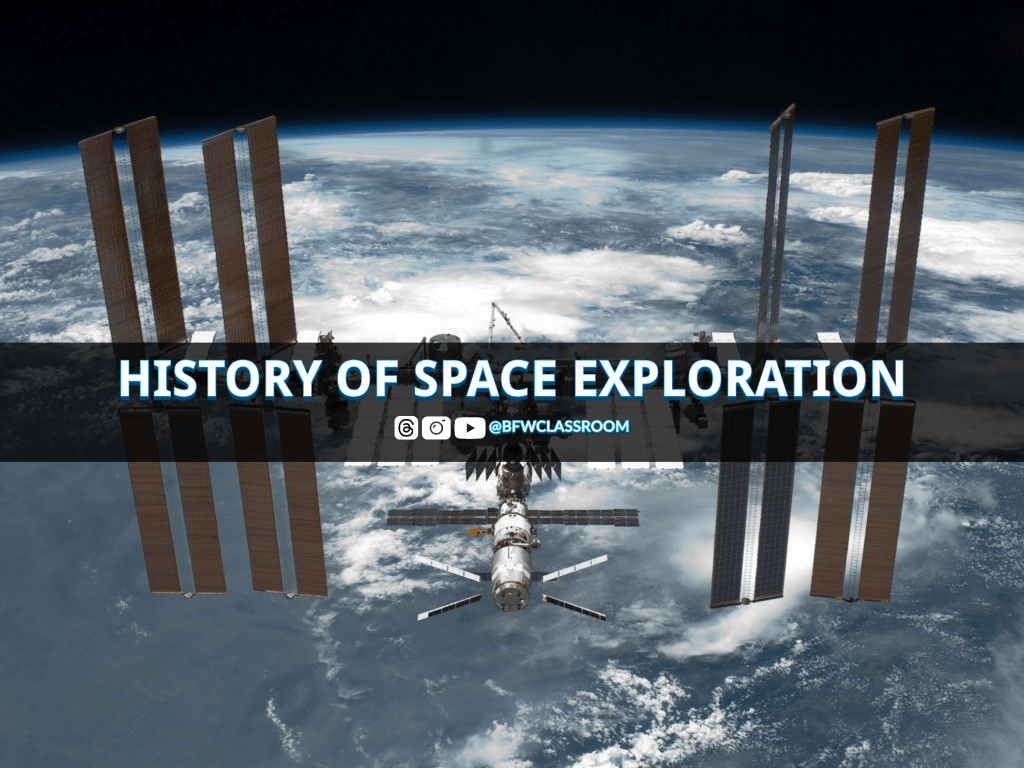
In 1998 the U.S., Russia, Canada, Japan, and the participating countries of the European Space Agency launched the first parts of the International Space Station.

The International Space Station (ISS) stands as a testament to the power of international cooperation in the realm of space exploration. Orbiting Earth at an average altitude of 420 kilometers, the ISS serves as a microgravity and space environment research laboratory. Its importance extends far beyond its extraterrestrial location, playing a pivotal role in advancing scientific knowledge, fostering collaboration among nations, and inspiring future generations.
The ISS provides an unparalleled platform for scientific research in a unique space environment. Scientists aboard the station conduct experiments that would be impossible on Earth due to the absence of gravity or the presence of different atmospheric conditions. These experiments span a wide range of disciplines, including biology, physics, astronomy, and materials science. The insights gained from ISS research contribute not only to our understanding of fundamental scientific principles but also have practical applications that benefit life on Earth and drive innovations in technology and medicine.
One of the most remarkable aspects of the ISS is the collaborative effort involved in its construction and operation. Built by the space agencies of the United States (NASA), Russia (Roscosmos), Europe (ESA), Japan (JAXA), and Canada (CSA), the ISS is a symbol of international unity in the pursuit of shared goals. The collaborative nature of the ISS not only fosters goodwill among nations but also establishes a model for how countries can work together to overcome complex challenges. This spirit of cooperation on the ISS serves as an inspiration for addressing global issues beyond the realm of space exploration.
As the ISS continues to orbit our planet, it serves as a shining beacon of what humanity can achieve when nations unite for a common purpose. Its impact reaches beyond scientific advancements, influencing diplomacy, fostering goodwill, and igniting the imaginations of people around the world. The International Space Station stands as a testament to what is possible when we set aside earthly boundaries and work together to explore the boundless possibilities of space.
This blog post is part of a series of writings celebrating and sharing the successes of the Space Exploration. They will be posted on the 20th of each month to celebrate the first landing on the moon. (July 20, 1969) To read more and find classroom resources follow this Link.

 BFWClassroom
You must be logged in to post a comment.