Comic Book Chronicles: Unveiling the Tapestry of 1988-1989


Introduction:
The late 1980s were a transformative period in the comic book industry, marked by groundbreaking events that reshaped narratives, challenged conventions, and left an indelible mark on the medium. In this blog post, we will delve into the significant events that unfolded in the years 1988 and 1989, illuminating the milestones that enriched the comic book landscape.
1. “The Death of Superman” (1988):
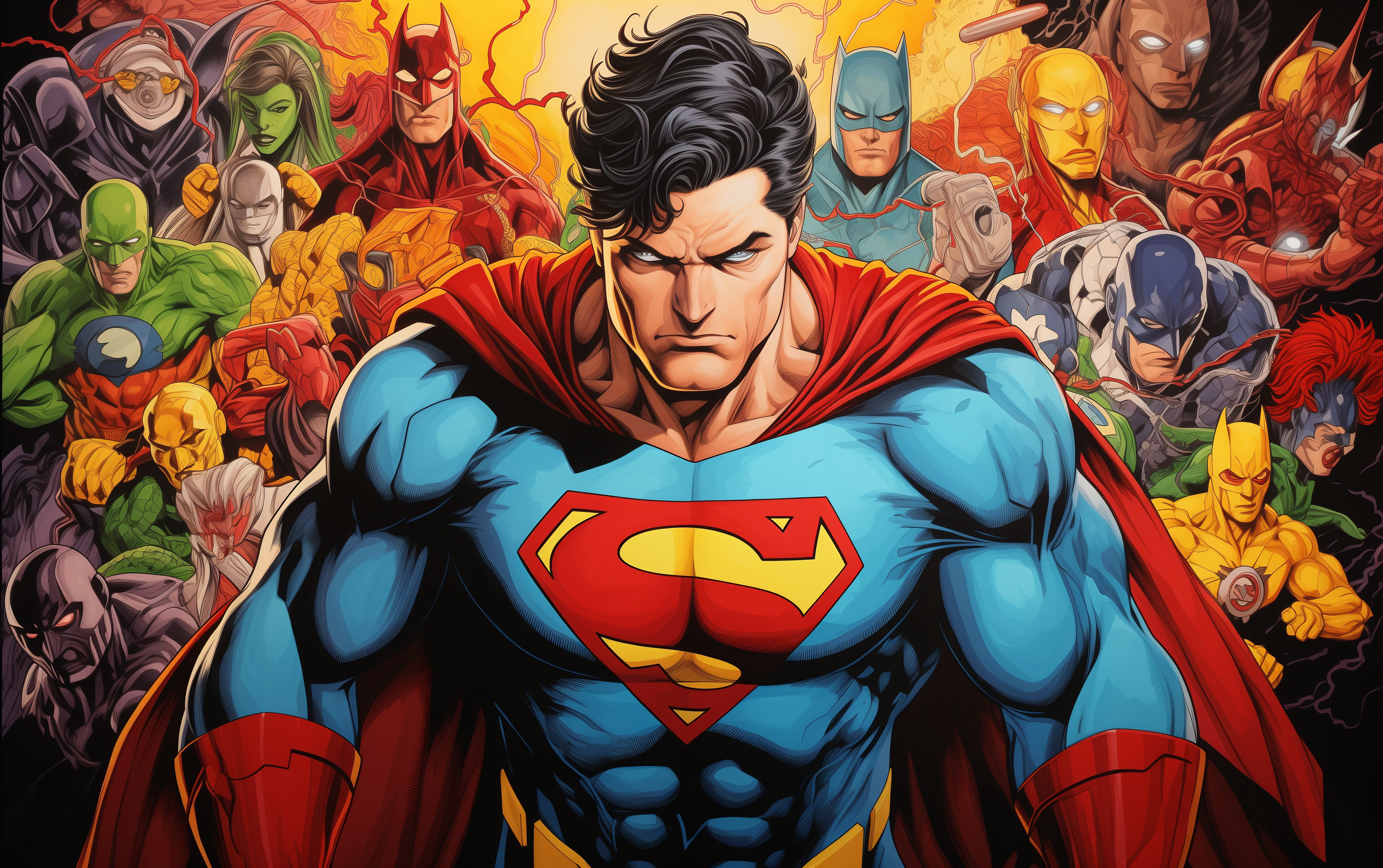
The reverberations of the “Death of Superman” storyline echoed through the comic book world, ushering in a new era of storytelling. Written by John Byrne, this narrative arc challenged the invincibility of the iconic superhero, paving the way for more nuanced examinations of heroism and mortality in mainstream comics.
- Classroom Use: Explore the cultural impact of “The Death of Superman.” Analyze how this storyline deconstructed traditional superhero tropes, sparking discussions on the evolution of character narratives.
- Resources: Incorporate interviews with John Byrne and reactions from fans during the release of the storyline, providing insights into the creative choices and audience responses.
2. “A Death in the Family” (1988-1989):
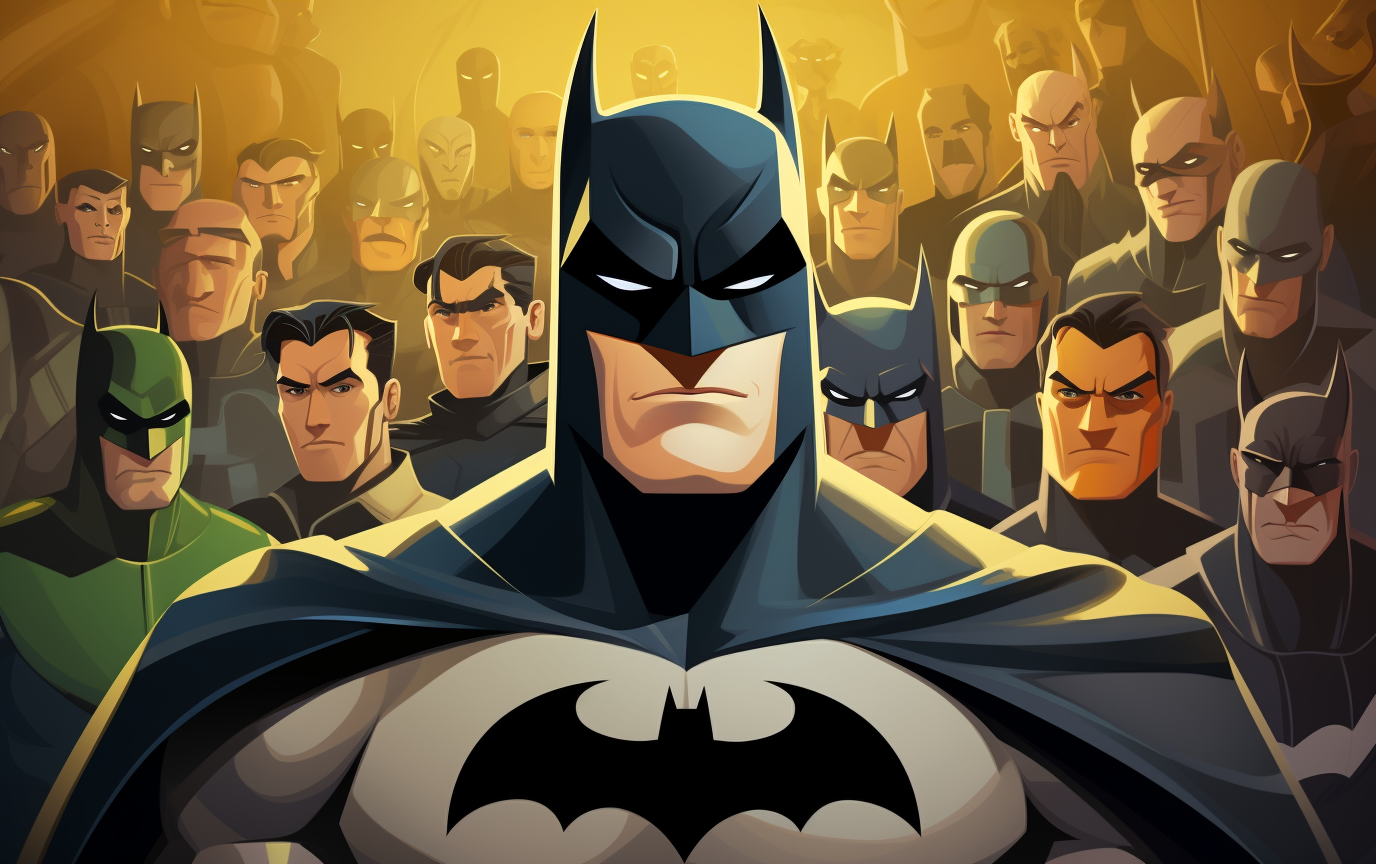
The Batman mythos underwent a seismic shift with the “A Death in the Family” storyline, written by Jim Starlin. This arc allowed readers to influence the fate of Jason Todd, the second Robin, through a groundbreaking 1-900 number voting system. The chosen outcome, the death of Jason Todd, showcased the potential for reader engagement in shaping comic book narratives.
- Classroom Use: Examine the intersection of reader participation and storytelling. Discuss the implications of allowing readers to determine a character’s fate and the emotional impact on the narrative.
- Resources: Access archival materials, including news articles and fan reactions, to explore the unprecedented nature of involving readers in determining a character’s destiny.
- Classroom Use: Investigate the evolution of interactive storytelling in comics. Discuss the ethical considerations and creative challenges associated with allowing readers to influence major narrative decisions.
3. “The Sandman” Debuts (1989):
Neil Gaiman’s “The Sandman” emerged as a literary force within the comic book medium. Debuting in 1989, this series transcended traditional superhero narratives, offering a rich tapestry of mythology, dreams, and existential exploration.
- Classroom Use: Explore the literary aspects of “The Sandman.” Discuss how Neil Gaiman’s narrative choices and thematic exploration elevated comic books to the realm of literature.
- Resources: Draw on interviews with Neil Gaiman, analyzing his intentions and inspirations behind creating “The Sandman,” and its impact on the comic book medium.
4. “Arkham Asylum: A Serious House on Serious Earth” (1989):
Grant Morrison’s graphic novel, “Arkham Asylum: A Serious House on Serious Earth,” delved into the psyche of Batman’s rogues’ gallery and the haunted halls of Arkham Asylum. Dave McKean’s evocative artwork complemented Morrison’s exploration of the thin line between sanity and madness.
- Classroom Use: Analyze the psychological aspects of superhero storytelling. Explore how “Arkham Asylum” delves into the inner workings of iconic villains and the impact of psychological narratives in comics.
- Resources: Incorporate interviews with Grant Morrison and Dave McKean to gain insights into their collaborative process and the creative decisions behind “Arkham Asylum.”
5. Wolverine #1 (1988):
Wolverine’s solo series, launched in 1988, provided an in-depth exploration of the complex character. Written by Chris Claremont and illustrated by John Buscema, it allowed readers to delve into Wolverine’s past and motivations, adding layers to the enigmatic mutant.
- Classroom Use: Discuss the character development of Wolverine in his solo series. Explore how this narrative adds depth to Wolverine’s persona and contributes to the overall X-Men mythos.
- Resources: Integrate interviews with Chris Claremont and John Buscema, shedding light on their creative process and the significance of Wolverine’s solo series.
6. Spider-Man #300 – Venom Series (1988):
The landmark issue #300 of “The Amazing Spider-Man” marked the debut of Venom, one of Spider-Man’s most iconic adversaries. Written by David Michelinie and illustrated by Todd McFarlane, this storyline introduced the menacing Venom symbiote, leaving a lasting impact on Spider-Man’s rogues’ gallery.
- Classroom Use: Explore the introduction of Venom as a formidable antagonist in Spider-Man’s mythology. Discuss the themes of duality and the psychological aspects of characters like Venom.
- Resources: Incorporate interviews with David Michelinie and Todd McFarlane, examining the creative choices behind the creation of Venom and the visual dynamics of the character.
Conclusion:
The years 1988 and 1989 stand as a testament to the dynamic evolution of comic books, from the deconstruction of superhero tropes in “The Death of Superman” to the interactive storytelling experiment of “A Death in the Family,” the literary exploration of dreams in “The Sandman,” and the exploration of iconic characters like Wolverine and Venom. These events not only shaped the narratives of iconic characters but also laid the foundation for the diverse and innovative storytelling we continue to witness in the world of comics today.
This is part of my Comics in the Classroom series where I look at the importance of the comic book industry and how to use them as resources in the classroom. To read more check out my other posts. (Link)

 BFWClassroom
You must be logged in to post a comment.