
U2, the iconic Irish rock band formed in the late 1970s, has left an indelible mark on the music industry with their powerful lyrics and evocative melodies. Among their many hits, “Sunday Bloody Sunday” stands as a timeless anthem, resonating with listeners around the world. In this blog post, we will delve into the profound meaning behind this song and the significance of their album “War,” exploring how it can be a valuable resource in high school history and literature classes.
A Glimpse into “Sunday Bloody Sunday”:
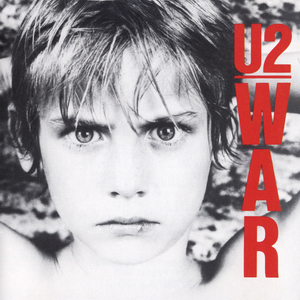
Released as the opening track on U2’s 1983 album “War,” “Sunday Bloody Sunday” immediately captivates the listener with its striking title and a relentless drumbeat. The song is a poignant reflection on the Troubles in Northern Ireland, a period of political conflict and violence that spanned from the late 1960s to the late 1990s. The title itself references the tragic events of January 30, 1972, when British soldiers shot 26 unarmed civil rights protesters in Derry, Northern Ireland, killing 14 of them.
Using “Sunday Bloody Sunday” and “War” in the Classroom:
1. Historical Context: Incorporating “Sunday Bloody Sunday” in a high school history class can offer students a profound look into the Troubles and the impact of political conflict. By dissecting the lyrics and analyzing the historical events that inspired the song, students can gain a deeper understanding of the complexities of Northern Ireland’s history.
2. Peace and Activism: U2’s passionate plea for peace and unity can spark meaningful discussions about activism and social change. The chorus, with the line “How long, how long must we sing this song?” underscores the band’s frustration with ongoing conflict and their longing for change. This can serve as a launchpad for exploring various movements for peace and justice throughout history.
3. Literary Analysis: U2’s “War” album is not just about music; it’s a profound statement on the state of the world during the early 1980s. The album explores themes of conflict, political injustice, and the human spirit’s resilience. In a literature class, students can delve into the album’s lyrics as a form of modern poetry, examining the metaphors and symbolism used to convey powerful messages.
4. Critical Thinking: Encourage students to think critically about the issues raised in the song and the album. What does it mean to be an artist-activist? How can music be a vehicle for change? Challenge them to research other artists who have used their work to advocate for social and political causes.
5. Cross-Curricular Connections: “Sunday Bloody Sunday” and “War” provide an opportunity for interdisciplinary learning. History and literature can intersect as students explore the historical context that influenced the song’s lyrics and then analyze those lyrics as a form of literature. This approach helps students make connections between different subject areas.
The Enduring Legacy of U2:
U2’s ability to merge music and activism is a testament to their enduring legacy. They have used their platform to advocate for various social causes, including global poverty, AIDS awareness, and human rights. Bono’s passionate commitment to humanitarian work has made him a prominent figure in the fight against poverty and inequality.
“War” marked a turning point in U2’s career, propelling them to international stardom and shaping their identity as a band unafraid to tackle complex and challenging issues in their music. It was a harbinger of their future work, with albums like “The Joshua Tree” and “Achtung Baby” solidifying their status as one of the most influential rock bands in history.
“Sunday Bloody Sunday” and the album “War” are not just about music; they are about the indomitable human spirit’s struggle against adversity. U2’s ability to use their music as a platform for change and their commitment to social justice have left an indelible mark on the world. As we listen to “Sunday Bloody Sunday” and reflect on its message, we are reminded that music has the power to transcend boundaries, unite hearts, and inspire change, making it a valuable resource in high school history and literature classes.
To hear this song and more of the music I shar ein my classes, checkout my Spotify playlist.
This is part of my Readings In History series. Where I try to collect resources from historical events and pop culture to talk about and discuss in my classes. To see more of these entries click here.

 BFWClassroom
You must be logged in to post a comment.