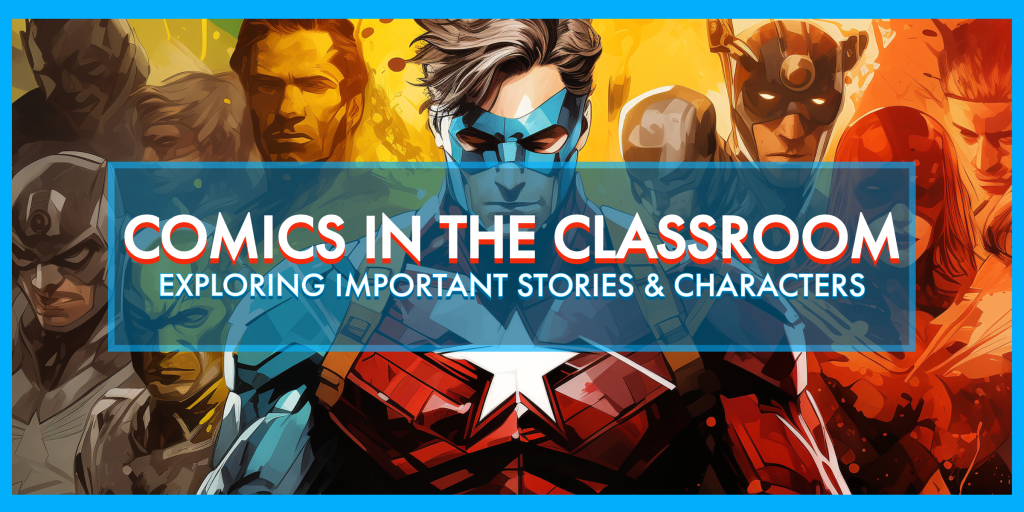
Beyond The Spirit: Why Will Eisner Matters and How You Can Bring His Genius to Your Classroom
Will Eisner wasn’t just a comic book creator; he was a revolutionary. From his iconic creation, The Spirit, to his groundbreaking graphic novels, Eisner redefined the medium, weaving narratives that transcended superheroes and capes. Today, we’ll unveil the genius behind the man and explore how educators can leverage his legacy to ignite creativity and critical thinking in their classrooms.

Unveiling the Master: A Glimpse into Eisner’s World
Born in 1917, Eisner rose to prominence during the Golden Age of comics. His debut creation, The Spirit (1940), shattered conventions with its noir-inspired storytelling, experimental layouts, and focus on mature themes. But Eisner didn’t stop there. In the 1970s, he pioneered the graphic novel format with groundbreaking works like “Contract with God” and “A Life Force,” demonstrating the potential of comics to tackle serious human experiences.
Stories that Matter: Exploring Eisner’s Masterpieces
- The Spirit (1940-1952): Dive into the world of Central City, where Denny Colt fights crime as The Spirit, tackling corruption, injustice, and moral dilemmas. Use this to discuss social commentary, visual storytelling techniques, and the blurred lines between right and wrong.
- Contract with God and Other Contract with God Stories (1978): This Pulitzer Prize-nominated graphic novel explores the lives of interconnected residents in a New York City tenement building. Utilize it to teach empathy, complex character development, and the power of everyday human stories.
- Life on Another Planet (1978): Explore a poignant tale of an aging Jewish couple navigating themes of memory, identity, and mortality. This work serves as a springboard for discussing aging, family dynamics, and the cyclical nature of life.
Eisner in the Classroom: Sparking Creative Minds
Eisner’s legacy extends far beyond the page. Here’s how to bring his brilliance into your classroom:
- Graphic Novel Studies: Analyze Eisner’s groundbreaking panel layouts, innovative storytelling techniques, and use of symbolism to foster visual literacy and appreciation for the graphic novel format.
- Creative Writing & Storytelling: Encourage students to create their own stories inspired by Eisner’s work, focusing on character development, dialogue, and visual storytelling.
- Social and Ethical Discussions: Utilize Eisner’s narratives to spark discussions on societal issues like urban life, social justice, and the human condition.
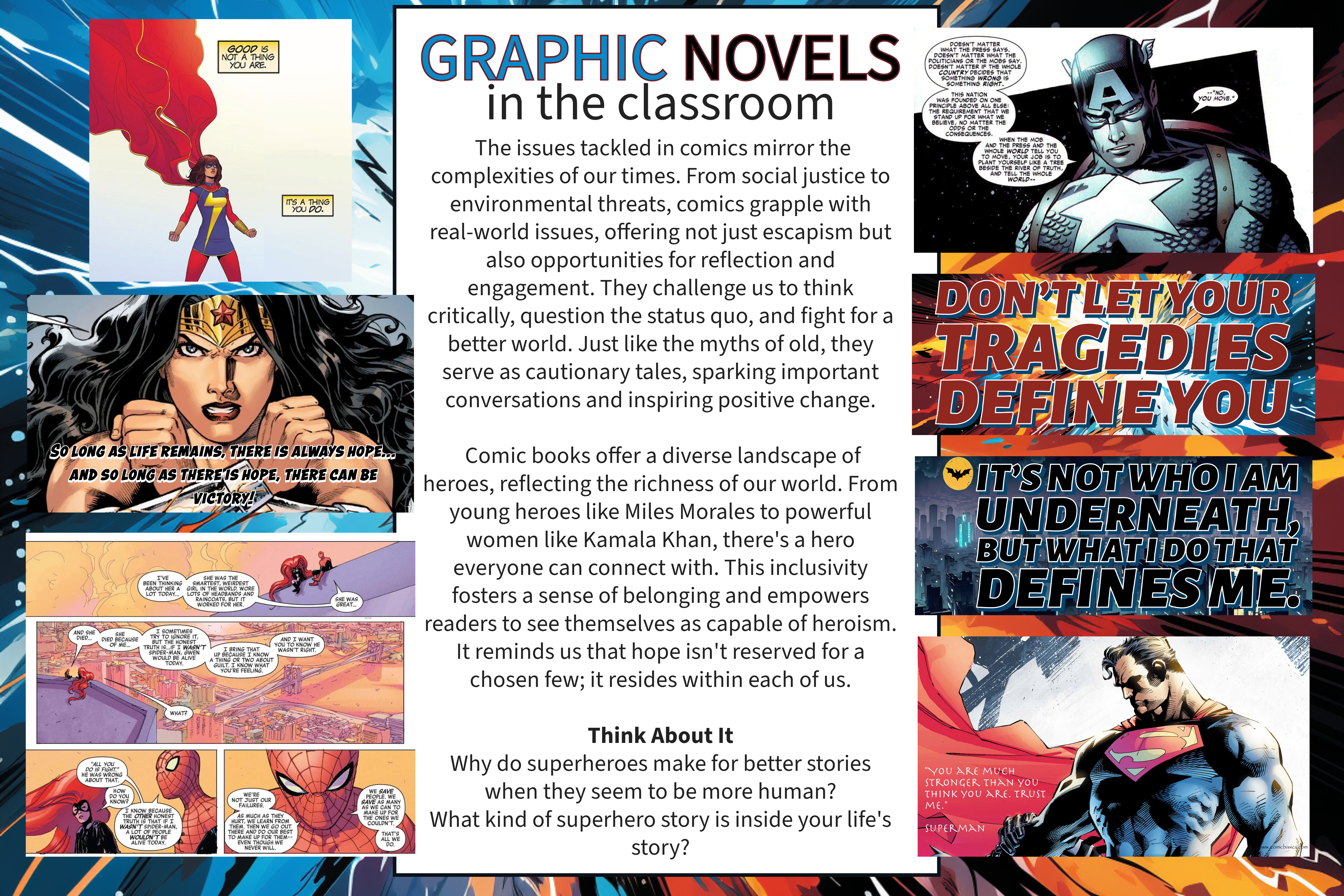

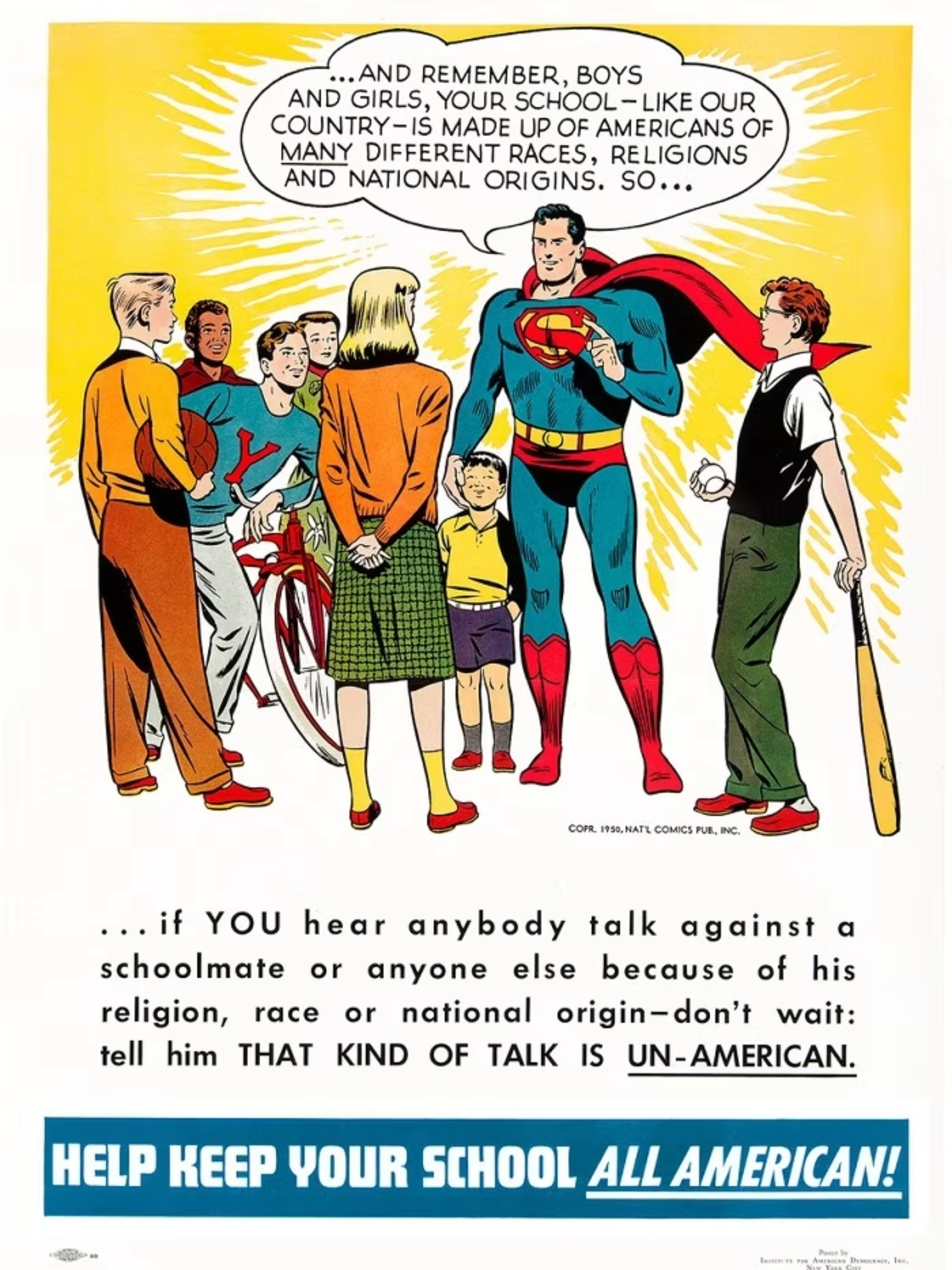
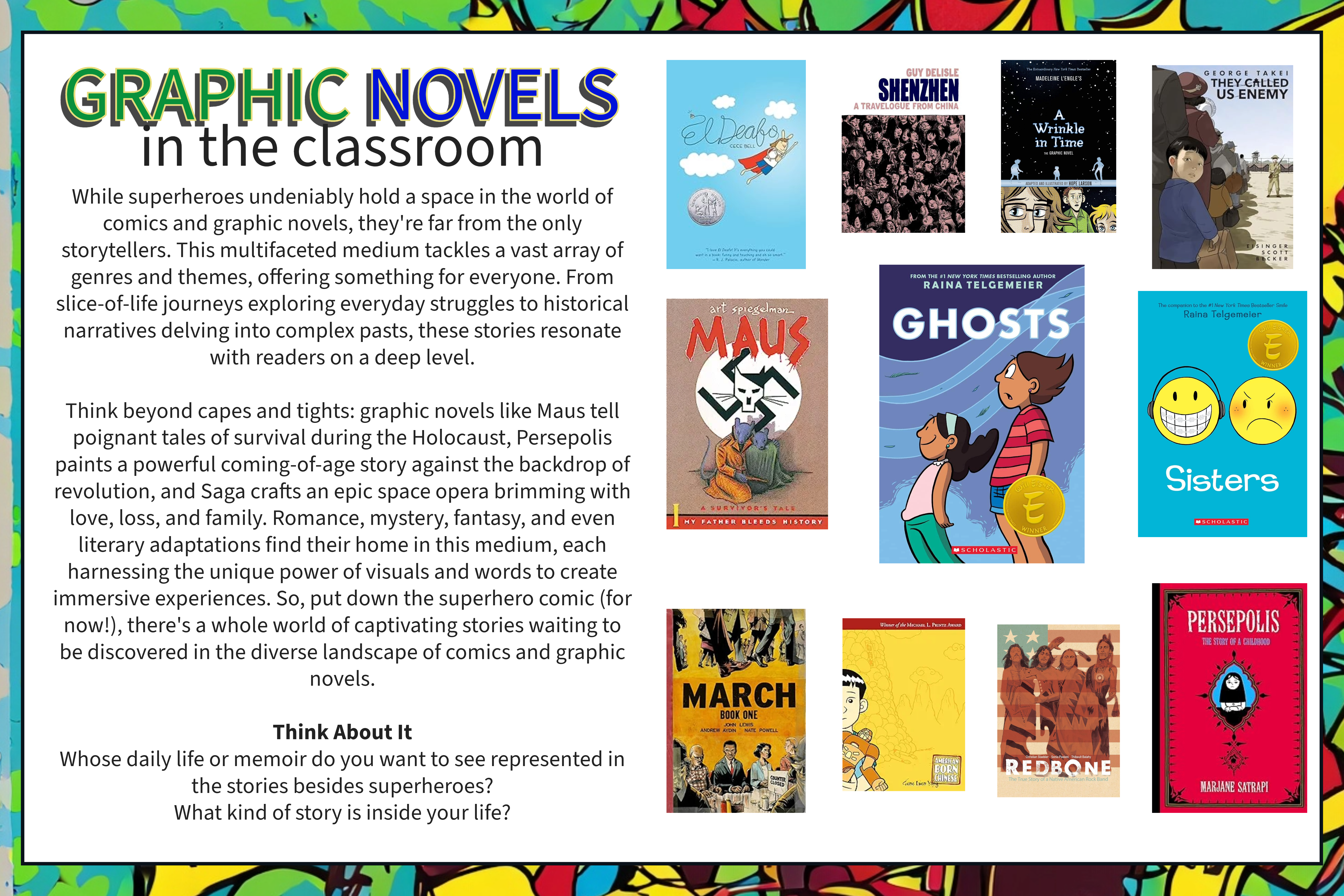
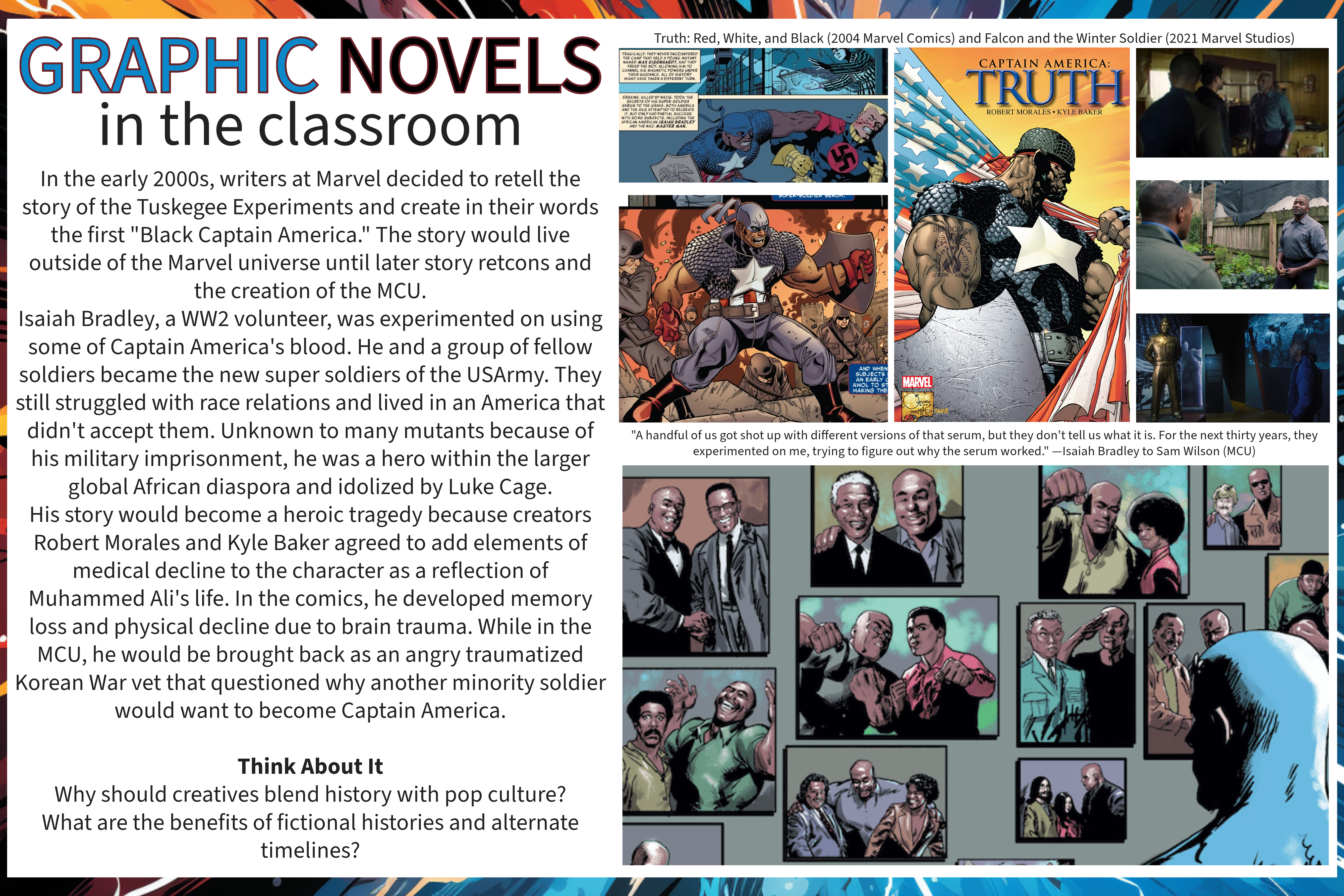
Here is a collection of some of the images I will be posting in my school this year to share the importance of graphic novels and comic books in the classroom. Will Eisner Week will be Mar 1-7 this year.
Resources for Educators: Unlocking Eisner’s Treasures
- The Will Eisner Comic Industry Awards: Discover Eisner’s lasting impact and explore award-winning graphic novels: http://willeisnerawards.com/
- The Comics Classroom: Unlock strategies and resources for integrating comics into K-12 education: https://www.comicsclassroom.com/
Beyond the Panels: The Enduring Legacy of Will Eisner
Will Eisner wasn’t just a comic creator; he was a visionary who pushed boundaries and elevated the medium. By incorporating his work into your curriculum, you empower students to develop critical thinking skills, appreciate graphic storytelling, and explore the nuances of human experience. Remember, his genius lies not just in the stories he told, but in the inspiration he continues to offer. So, open your classroom door to the world of Eisner, and unleash the creative spirit within your students!
Bonus:
- Organize a graphic novel reading group or film festival featuring adaptations of Eisner’s work.
- Invite a comic book artist, writer, or scholar specializing in Eisner’s work for a guest lecture or workshop.
- Encourage students to research and present on different aspects of Eisner’s life and career, fostering independent learning and research skills.
By celebrating Eisner’s contributions and harnessing the power of his storytelling, you can transform your classroom into a space where creativity, critical thinking, and the human spirit soar!
This is part of my Comics in the Classroom series where I look at the importance of the comic book industry and how to use them as resources in the classroom. To read more check out my other posts. (Link)

 BFWClassroom
You must be logged in to post a comment.