Exploring the Social Landscape: Neal Adams’ Green Lantern/Green Arrow Era
In the dynamic world of comic books, certain periods stand out not only for their artistic brilliance but for their profound impact on societal awareness. One such transformative era is Neal Adams’ run on Green Lantern/Green Arrow. Beginning in April 1970, Adams, along with writer Denny O’Neil, undertook a bold narrative experiment that would forever change the way superheroes engage with real-world issues. Let’s delve into the importance of this groundbreaking era and explore how it can be a valuable resource in the classroom.

The Social Relevance of Neal Adams’ Green Lantern/Green Arrow Run:
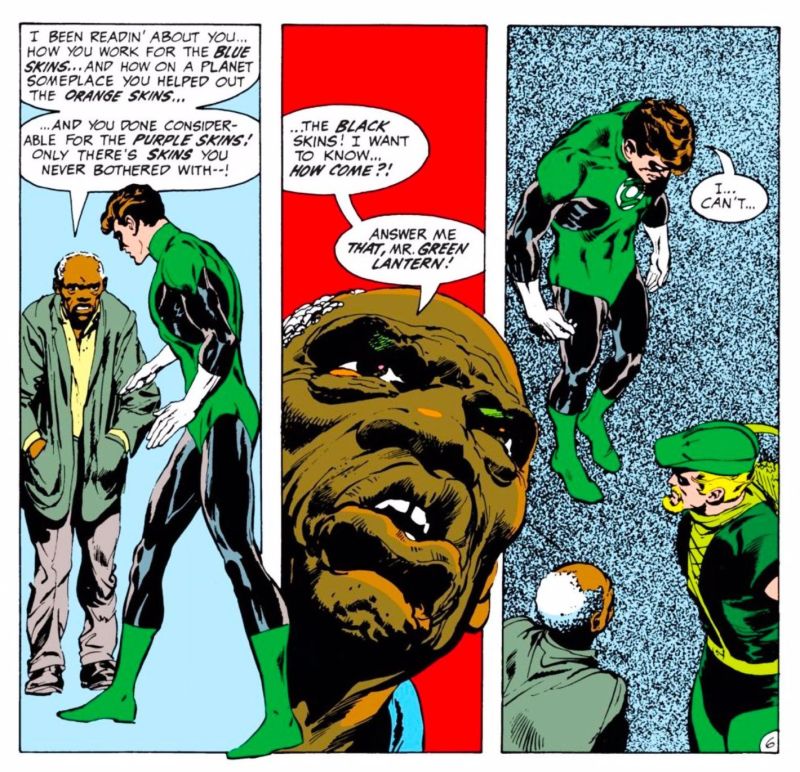
Neal Adams’ tenure on Green Lantern/Green Arrow (Amazon), spanning from 1970 to 1972, dared to confront the social and political challenges of the time. In a medium traditionally focused on fantastical escapades, Adams and O’Neil brought superheroes down to Earth, grappling with issues like racism, poverty, and drug addiction. The “Hard-Traveling Heroes” storyline, where Green Lantern and Green Arrow embark on a road trip across America, became a poignant exploration of the nation’s social fabric.
Key Storylines:
- Green Lantern/Green Arrow #76 – “Snowbirds Don’t Fly” (April 1970): This landmark issue addresses the issue of drug addiction head-on, as Green Arrow’s sidekick, Speedy, is revealed to be struggling with heroin. The narrative doesn’t shy away from the harsh realities of drug abuse, making it a powerful resource for discussions on addiction and its impact on individuals and communities.
- Green Lantern/Green Arrow #85 – “Green Lantern is Dead” (October 1971): In this storyline, Green Arrow confronts Green Lantern about his lack of awareness regarding the struggles of everyday people. The narrative critiques the superhero archetype, questioning their ability to bring about meaningful change in a complex world. This can serve as a thought-provoking starting point for discussions on the role of superheroes in society.
Classroom Applications:
- Social Issues Exploration: Utilize the comics as a tool for exploring various social issues such as drug addiction, racism, and socioeconomic disparities. Encourage students to analyze the depiction of these issues in the context of the 1970s and discuss how they may resonate with contemporary challenges.
- Character Development: Examine the character arcs of Green Lantern and Green Arrow throughout the storyline. Students can delve into how these superheroes evolve as they grapple with the societal problems presented in the narratives, fostering discussions on character development and moral dilemmas.
- Comparative Analysis: Compare Adams’ approach to storytelling with other comic book eras. Discuss how the “Hard-Traveling Heroes” era stands out in its commitment to addressing real-world issues and its influence on subsequent comics that also engaged with social themes.
- Historical Context: Place the comics within the historical context of the early 1970s, exploring how the era’s social and political climate influenced the storytelling choices made by Adams and O’Neil. This can open avenues for discussions on the intersection of fiction and reality.
- Artistic Techniques: Explore Neal Adams’ artistic techniques and how they contribute to the narrative impact. Discuss his use of dynamic layouts, facial expressions, and panel composition to convey emotion and intensity, providing insights into the visual language of comics.
Resources for Classroom Use:
- Primary Source Reading: Provide students with primary source material by making excerpts from the Green Lantern/Green Arrow comics available for close reading. Encourage them to analyze the dialogue, artwork, and narrative choices.
- Critical Essays: Introduce critical essays and analyses that delve into the significance of Neal Adams’ run. This could include writings on the impact of the “Hard-Traveling Heroes” storyline on the comic book industry and its cultural relevance.
- Documentaries and Interviews: Supplement classroom discussions with documentaries or interviews featuring Neal Adams and Denny O’Neil. Hearing from the creators themselves can provide valuable insights into their intentions and challenges during this groundbreaking period. (Article from Vulture: Link)
- Interactive Projects: Engage students in interactive projects where they reimagine or continue the story, exploring how they would address contemporary social issues through the lens of superheroes.
Conclusion:
Neal Adams’ Green Lantern/Green Arrow era remains a testament to the power of comic books as a medium for social commentary. By incorporating these stories into the classroom, educators can not only foster a deeper understanding of the historical and cultural contexts of the 1970s but also encourage critical thinking about the role of superheroes in addressing real-world challenges. In doing so, the “Hard-Traveling Heroes” storyline continues to serve as a source of inspiration for the next generation of storytellers and social advocates.
This is part of my Comics in the Classroom series where I look at the importance of the comic book industry and how to use them as resources in the classroom. To read more check out my other posts. (Link)

 BFWClassroom
You must be logged in to post a comment.