The Impact of Captain America’s Death in the Civil War Comic Series: Educational Insights
Introduction:
The world of comic books is a realm where heroes face challenges that often echo societal dilemmas. One such impactful storyline is Captain America’s death in the “Civil War” series, penned by Mark Millar. Published in 2006-2007, this narrative not only shook the Marvel Universe but also offered a mirror to real-world debates. In this blog post, we will explore the significance of Captain America’s death and suggest ways educators can use this profound storyline as an educational tool.
Understanding Captain America’s Death in “Civil War”:
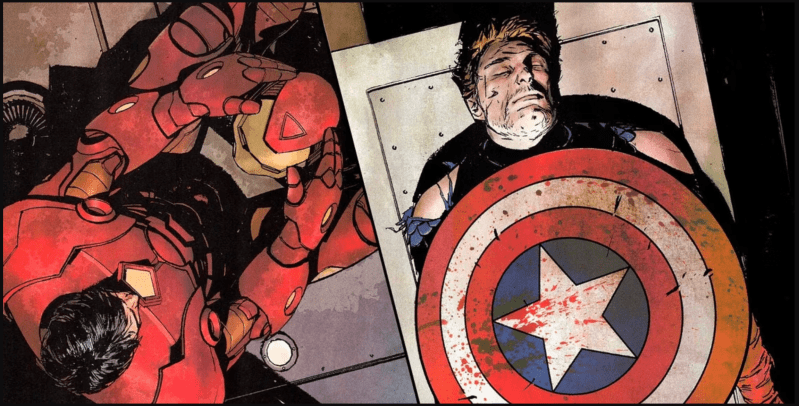
In the “Civil War” series, tensions rise among superheroes as the U.S. government proposes the Superhuman Registration Act. This act requires heroes to reveal their identities and work under government regulation. The superhero community becomes divided, leading to a conflict between those supporting the act (led by Iron Man) and those opposing it (led by Captain America). The climax of this ideological clash results in Captain America surrendering, only to be assassinated on the courthouse steps.
Captain America’s death serves as a symbolic turning point, representing the cost of ideological conflicts and the erosion of trust among superheroes. The impact of this event reverberates throughout the Marvel Universe, sparking discussions on accountability, freedom, and the consequences of ideological differences.
Teaching Opportunities in Captain America’s Death:
- Government Oversight and Personal Freedom:
- Classroom Activity: Foster discussions about the balance between government oversight and personal freedom. Analyze the Superhuman Registration Act’s implications and encourage students to debate the ethics of superhero registration.
- Resource: Use excerpts from the “Civil War” series that highlight key moments leading to Captain America’s death. Explore the characters’ perspectives on government intervention and personal liberty.
- Ethical Leadership and Sacrifice:
- Classroom Activity: Explore the theme of ethical leadership and sacrifice. Examine Captain America’s decision to surrender and the consequences he faces. Discuss the ethical considerations surrounding leadership in times of conflict.
- Resource: Utilize panels that depict Captain America’s surrender and subsequent assassination. Analyze the emotional and ethical dimensions of his sacrifice.
- Consequences of Ideological Differences:
- Classroom Activity: Discuss the consequences of ideological differences within a community. Examine how the clash between Captain America and Iron Man’s perspectives leads to fractures within the superhero community and its impact on broader society.
- Resource: Provide excerpts that showcase pivotal moments where ideological differences escalate, leading to the inevitable clash and Captain America’s death.
- Examining Real-World Parallels:
- Classroom Activity: Draw parallels between the “Civil War” storyline and real-world debates on government oversight and civil liberties. Encourage students to explore historical and contemporary events that mirror the themes presented in the comics.
- Resource: Integrate articles and analyses that discuss the societal implications of superhero registration and its relevance to real-world political discourse.
Resources for Educators:
- “Civil War” Graphic Novel:
- The collected edition of the “Civil War” series offers a comprehensive resource for educators, allowing them to select specific excerpts for classroom discussions.
- Critical Analyses and Reviews:
- Explore scholarly articles and reviews that delve into the themes, symbolism, and societal reflections presented in the “Civil War” series.
- Interviews with Creators:
- Seek interviews with Mark Millar and other creators involved in the “Civil War” series to provide insights into their intentions and the creative process.
- Documentary: “Marvel Studios: Assembling a Universe” (2014):
- This documentary provides a broader understanding of the Marvel Universe and its evolution, offering context for the era in which the “Civil War” storyline was published.
- Supplementary Reading: “Civil War: The Road to Civil War” (2007):
- This tie-in collection explores the events leading to the “Civil War” series, offering additional context for educators and students.
Conclusion:
The death of Captain America in the “Civil War” series is a pivotal moment that encapsulates the complexities of ideological conflicts and their repercussions. By incorporating this storyline into classroom discussions, educators can engage students in conversations about ethics, leadership, and the consequences of differing worldviews. Through the lens of superhero narratives, students can explore these themes in a context that resonates with the challenges and debates of the real world.
This is part of my Comics in the Classroom series where I look at the importance of the comic book industry and how to use them as resources in the classroom. To read more check out my other posts. (Link)

 BFWClassroom
You must be logged in to post a comment.