The Fantastic Four: Pioneers of Marvel and Icons of Innovation
Introduction:
In the pantheon of comic book superheroes, few teams hold as much significance as the Fantastic Four. Created by Stan Lee and Jack Kirby in 1961, the Fantastic Four revolutionized the comic book landscape, introducing a new era of storytelling that emphasized complex characters, interpersonal dynamics, and epic adventures. As we delve into the history and importance of the Fantastic Four, we uncover the enduring legacy of Marvel’s first family and their profound impact on the world of comics.

1. Birth of a Marvel Universe:
The debut of the Fantastic Four in “The Fantastic Four” #1 marked a turning point in superhero comics. Unlike the flawless heroes of the past, the Fantastic Four were flawed, relatable individuals grappling with personal conflicts and familial bonds. Reed Richards (Mr. Fantastic), Sue Storm (Invisible Woman), Johnny Storm (Human Torch), and Ben Grimm (The Thing) embodied a new wave of superheroes, ushering in Marvel’s Silver Age and laying the groundwork for a shared universe of interconnected characters.
- Classroom Use: Explore the socio-cultural context of the 1960s and the impact of the Fantastic Four on superhero storytelling. Discuss how the team’s dynamic reflects shifting attitudes towards heroism and identity.
- Suggested Readings: “Fantastic Four Epic Collection: The World’s Greatest Comic Magazine” compiles the earliest adventures of the Fantastic Four, providing a comprehensive look at their origins and evolution.
2. Marvel’s First Family:
As Marvel’s flagship title, the Fantastic Four served as a template for future superhero teams, influencing generations of comic creators. Their adventures spanned cosmic landscapes, alternate dimensions, and battles against iconic villains like Doctor Doom, Galactus, and the Skrulls. Through their trials and triumphs, the Fantastic Four epitomized the spirit of exploration, innovation, and heroism that defines the Marvel Universe.
- Classroom Use: Analyze key story arcs and character dynamics within the Fantastic Four, exploring themes of family, teamwork, and responsibility. Discuss how the team’s diverse personalities contribute to their enduring appeal.
- Suggested Readings: “Fantastic Four: The Coming of Galactus” collects classic storylines featuring the Fantastic Four’s epic battles against Galactus and the Silver Surfer, offering insight into their cosmic adventures.
3. Cultural Impact and Legacy:
Beyond the pages of comic books, the Fantastic Four left an indelible mark on popular culture, inspiring television shows, films, and merchandise. Their influence extends far beyond the realm of superheroes, shaping the imaginations of fans and creators alike. Despite facing challenges and setbacks over the years, the Fantastic Four’s legacy endures as a testament to the power of imagination, creativity, and collaboration.
- Classroom Use: Examine the cultural impact of the Fantastic Four and their significance within the broader context of popular culture. Discuss how the team’s mythology has influenced storytelling in film, television, and other media.
- Suggested Readings: “Fantastic Four: Season One” offers a modern retelling of the Fantastic Four’s origin story, providing a fresh perspective on their enduring legacy.
Conclusion:
As we reflect on the history and importance of the Fantastic Four, we recognize their status as true icons of innovation and imagination. From their humble beginnings in the pages of a comic book to their status as cultural icons, the Fantastic Four continue to inspire readers of all ages with their timeless tales of adventure, heroism, and family. As Marvel’s first family, they remind us that the greatest adventures often begin with a sense of wonder and the courage to explore the unknown.
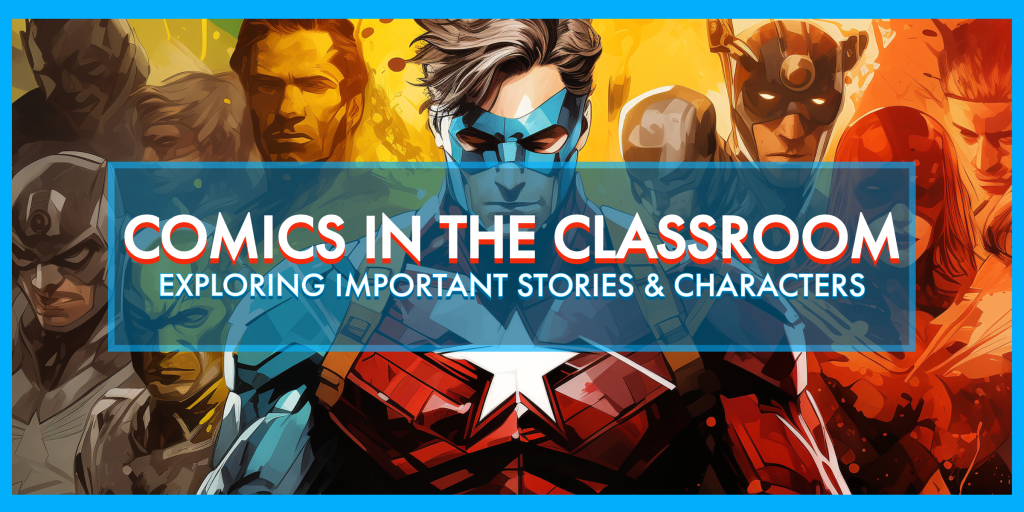
This is part of my Comics in the Classroom series where I look at the importance of the comic book industry and how to use them as resources in the classroom. To read more check out my other posts. (Link)

 BFWClassroom
You must be logged in to post a comment.