
This summer’s audiobook journey took me through nine remarkable works that, while spanning different centuries and continents, revealed fascinating patterns about leadership during times of crisis. From Civil War generals to modern presidents, from revolutionary leaders to papal politics, these books offered profound insights into how leaders respond when history demands decisive action—and the consequences when they fail to rise to the occasion.


The Reading List
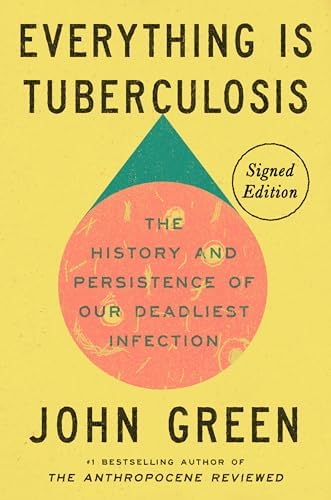
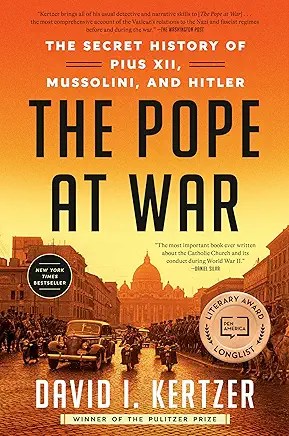
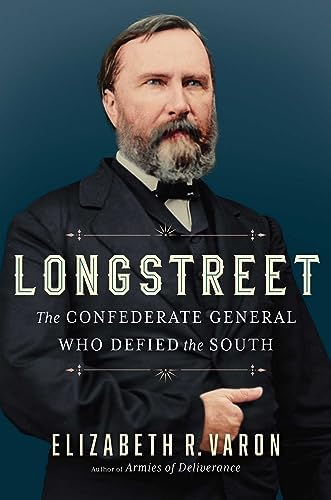
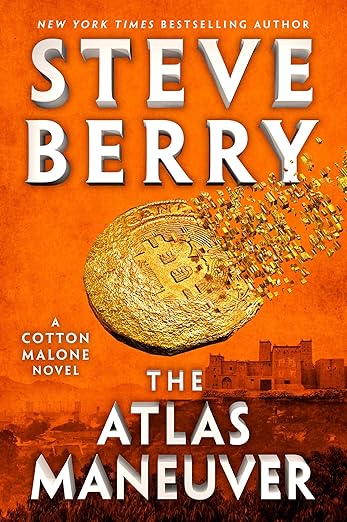
My summer listening included a diverse collection: Elizabeth Varon’s “Longstreet: The Confederate General Who Defied the South”, John Green’s “Everything Is Tuberculosis: The History and Persistence of Our Deadliest Infection”, Alan Taylor’s “American Republics” and “American Civil Wars”, Rachel Chrastil’s “Bismarck’s War”, Simon Hall’s “Three Revolutions”, David I. Kertzer’s “The Pope at War”, David L. Roll’s “Ascent to Power”, and Steve Berry’s “The Atlas Maneuver”. What emerged from this eclectic mix was a compelling narrative about how leadership—or its absence—shapes pivotal moments in human history.
Courage in the Face of Ostracism: Longstreet’s Moral Leadership
Elizabeth Varon’s rehabilitation of James Longstreet provided perhaps the most striking example of principled leadership under pressure. Longstreet’s willingness to support Reconstruction and maintain his friendship with Ulysses Grant, despite knowing it would make him a pariah in the post-war South, demonstrates rare moral courage. His tactical brilliance during the war was matched by his political bravery afterward, choosing justice over popularity. Varon’s research reveals how Longstreet understood that true leadership sometimes requires sacrificing one’s reputation for larger principles—a lesson that resonates across all the other works I encountered this summer.
The Power of Paralyzed Leadership: Truman’s Unexpected Rise
David L. Roll’s “Ascent to Power” offered fascinating insights into how Franklin Roosevelt’s declining health and increasingly paralyzed decision-making in his final months inadvertently created space for Harry Truman to develop his own leadership style. Roll demonstrates how FDR’s physical limitations and secretive nature forced Truman to learn presidential leadership through crisis management rather than careful preparation. This theme of leadership emerging from the vacuum left by failing predecessors appeared repeatedly throughout my summer reading, suggesting that sometimes great leaders are forged not by ideal circumstances but by the necessity of filling leadership voids.
What struck me most about Truman’s story was how his lack of preparation paradoxically prepared him for the unprecedented decisions he would face. Unlike leaders who become paralyzed by the weight of their responsibilities, Truman’s outsider status freed him to make bold choices without being trapped by previous commitments or political calculations.
The Tragedy of Papal Inaction: Pius XII’s Moral Failure
In stark contrast to Truman’s decisive action, David I. Kertzer’s “The Pope at War” presented one of the most disappointing leadership failures in my summer reading. Pope Pius XII’s calcified response to Nazi atrocities, driven by fears of retribution and institutional self-preservation, represents everything that principled leadership should reject. Kertzer’s meticulous documentation shows how the Pope’s silence wasn’t neutral—it was complicity dressed up as diplomatic prudence.
The contrast between Pius XII and leaders like Longstreet or Truman couldn’t be more stark. Where they chose difficult action despite personal costs, the Pope chose inaction despite the moral costs to millions of victims. Kertzer’s work demonstrates how fear of retribution can transform religious and political institutions into obstacles to justice rather than champions of it. This theme of institutional calcification preventing moral leadership appeared in several other books as well, particularly in Taylor’s works on 19th-century political failures.
Continental Vision: Alan Taylor’s Leadership Lessons
Both of Alan Taylor’s works—“American Republics” and “American Civil Wars”—revealed how effective leadership requires thinking beyond narrow regional or national interests. Taylor’s continental perspective shows how leaders like Benito Juárez in Mexico and figures like Longstreet understood that local conflicts were part of larger hemispheric struggles. The most successful leaders in Taylor’s narratives were those who could see beyond immediate tactical concerns to understand strategic implications across borders and decades.
Taylor’s analysis of failed leadership—from regional warlords to ineffective presidents—consistently shows how parochial thinking leads to strategic disasters. His treatment of Emperor Maximilian’s failure in Mexico demonstrates how even well-intentioned leaders fail when they cannot adapt quickly enough to changing circumstances, a lesson that echoes through all the other works I read this summer.
Revolutionary Pragmatism and Diplomatic Genius
Rachel Chrastil’s “Bismarck’s War” and Simon Hall’s “Three Revolutions” offered complementary insights into how effective leaders navigate revolutionary moments. Bismarck’s genius lay in his ability to use controlled conflict to achieve larger strategic goals, while the revolutionary leaders Hall examines succeeded through their ability to adapt tactics while maintaining strategic vision.
Both authors show how successful leaders during periods of upheaval combine pragmatic flexibility with unwavering commitment to core objectives. Bismarck’s diplomatic maneuvering before and after the Franco-Prussian War demonstrates how great leaders create opportunities rather than simply responding to them. Similarly, Hall’s revolutionary leaders succeeded because they understood that changing circumstances required changing methods while maintaining consistent goals. Both of these make for great companion readings to Christopher Clark’s “Revolutionary Spring.”
The Hopefulness of Scientific Progress: John Green’s Optimistic Vision
Perhaps the most uplifting leadership lesson came from John Green’s “Everything Is Tuberculosis.” While the book chronicles humanity’s long struggle against a deadly disease, Green’s narrative radiates hope about human ingenuity and collaborative leadership in the scientific community. His treatment of researchers, public health officials, and medical innovators shows how collective leadership can triumph over seemingly insurmountable challenges.
Green’s optimistic perspective provided crucial balance to the political and military failures documented in other books. His celebration of scientific leadership—from early researchers who risked their lives studying tuberculosis to modern public health officials working to eliminate the disease—demonstrates that effective leadership often occurs outside traditional political structures. The scientists and doctors in Green’s narrative succeeded precisely because they focused on evidence and results rather than political calculations or institutional preservation.
Modern Echoes: Steve Berry’s Contemporary Thriller
Even Steve Berry’s thriller “The Atlas Maneuver” contributed to the summer’s leadership themes through its portrayal of contemporary political and intelligence leaders navigating complex international crises. While fiction, Berry’s characters grapple with the same fundamental challenges that faced historical figures throughout my other readings: when to act decisively, how to balance competing interests, and whether to prioritize short-term stability or long-term justice.
Overarching Themes: What Makes Leadership Effective in Crisis
Several patterns emerged from this summer’s reading that transcend specific historical periods or geographical boundaries:
Moral Courage Over Popular Approval: From Longstreet’s support for Reconstruction to the scientists in Green’s narrative who challenged medical orthodoxy, effective leaders consistently chose principle over popularity. The most admirable figures across all these books were willing to sacrifice their immediate interests for larger moral imperatives.
Adaptability Without Abandoning Core Values: Whether examining Bismarck’s diplomatic flexibility or Truman’s presidential evolution, successful leaders adapted their methods while maintaining consistent ethical and strategic commitments. The failures, like Pope Pius XII, became trapped by rigid institutional thinking that prevented necessary adaptation.
Vision Beyond Immediate Circumstances: Taylor’s continental perspective on 19th-century conflicts showed how the most effective leaders understood that local challenges were part of larger historical movements. Leaders who thought only in terms of immediate tactical advantages consistently failed to achieve lasting success.
Courage to Fill Leadership Voids: From Truman stepping into FDR’s enormous shoes to Longstreet challenging Lost Cause mythology, effective leaders emerged not from perfect preparation but from willingness to act when circumstances demanded leadership.
Personal Reflections: Leadership in Our Own Era
This summer’s reading left me both inspired and sobered about the nature of leadership in democratic societies. The contrast between Truman’s decisive action and Pius XII’s calcified inaction seems particularly relevant to contemporary political challenges. We live in an era when many institutions seem paralyzed by the same fears of retribution and political calculation that prevented the Pope from acting decisively during World War II.
However, John Green’s hopeful narrative about scientific progress reminds us that effective leadership continues to emerge in unexpected places. The collaborative leadership model he describes in the fight against tuberculosis offers hope that complex modern challenges can be addressed through evidence-based approaches that transcend traditional political boundaries.
The historical perspective provided by Taylor’s works suggests that our current political polarization, while serious, is not unprecedented. The continental conflicts of the 19th century eventually resolved into more stable republican institutions, though not without enormous costs in human suffering. The leaders who emerged successfully from those conflicts—like Longstreet in his post-war career—were those willing to prioritize national healing over regional loyalty.
Conclusion: The Enduring Relevance of Historical Leadership Studies
As I return to the classroom this fall, these summer readings have reinforced my conviction that studying historical leadership remains crucial for understanding contemporary challenges. The patterns revealed across these nine very different books—from 19th-century generals to 20th-century presidents to modern medical researchers—suggest that effective leadership involves timeless qualities that transcend specific historical contexts.
Most importantly, this summer’s reading reminded me that leadership is not the exclusive domain of presidents and generals. Green’s celebration of scientific leadership, Varon’s rehabilitation of a politically ostracized general, and even Berry’s fictional portrayal of intelligence professionals all demonstrate that principled leadership can emerge from unexpected places and achieve remarkable results.
The hopefulness in Green’s narrative about humanity’s fight against tuberculosis provides a necessary counterbalance to the political failures documented in works like Kertzer’s papal biography. While political and religious institutions may sometimes fail to provide moral leadership, human ingenuity and collaborative effort continue to address humanity’s greatest challenges.
As educators, we have opportunities to cultivate the kind of principled, adaptive leadership that these books celebrate. By studying both the successes and failures of historical leaders, we can help our students understand that effective leadership is not about avoiding difficult choices but about making them based on evidence, principle, and concern for long-term consequences rather than short-term political advantage.
This summer’s reading journey reinforced my belief that history’s greatest leaders—whether Confederate generals supporting Reconstruction, presidents thrust into unprecedented responsibilities, or scientists dedicating their lives to conquering disease—share a common willingness to act on principle even when the personal costs are high. In our own challenging times, these historical examples provide both inspiration and practical guidance for the leadership our society desperately needs.
What books have shaped your understanding of leadership this year? I’d love to hear about your own reading discoveries and how they’ve influenced your thinking about the challenges facing our communities and institutions.
This is part of a collection of book and movie reviews intended to help educators. I have read/screened of of these books and at times included excerpts in my classroom over the years and highly recommend them. Keep in mind that not all classrooms are the same and every educator should evaluate school and district recommendations before using any book, movie, or podcast in classes.
To read more of my reviews follow the link.

 BFWClassroom
You must be logged in to post a comment.