
Exploring the Enduring Importance of Miguel de Cervantes’ Masterpiece: “Don Quixote”
In the vast tapestry of world literature, few works stand as prominently or as influentially as Miguel de Cervantes’ magnum opus, “Don Quixote.” First published in 1605, this groundbreaking novel has captivated readers for centuries with its timeless themes, memorable characters, and innovative narrative style. As we delve into the rich tapestry of “Don Quixote,” we uncover its profound importance and enduring relevance in the literary landscape.
Revolutionizing the Novel Form:
“Don Quixote” holds the distinction of being one of the earliest and most influential novels in literary history. Cervantes’ groundbreaking approach to storytelling, characterized by its metafictional elements, rich character development, and episodic structure, paved the way for the modern novel as we know it today. By blurring the lines between reality and fiction, Cervantes challenged conventional literary conventions and expanded the possibilities of narrative storytelling.
Exploring the Human Condition:
At its heart, “Don Quixote” is a profound exploration of the human condition, delving into themes of idealism, disillusionment, and the search for meaning in a complex and often absurd world. Through the character of Don Quixote, Cervantes invites readers to reflect on the nature of identity, perception, and the power of imagination in shaping our understanding of reality. The novel’s timeless relevance lies in its ability to resonate with readers across cultures and generations, offering profound insights into the universal experiences of hope, despair, and the quest for authenticity.
Satire and Social Commentary:
Embedded within the pages of “Don Quixote” is a biting satire of the social and cultural norms of Cervantes’ time. Through the misadventures of its eponymous protagonist, Cervantes critiques the chivalric ideals of medieval romance, the rigid class distinctions of Spanish society, and the pervasive influence of popular literature on the collective imagination. “Don Quixote” serves as a mirror to society, reflecting its follies, absurdities, and contradictions with a keen eye and a sharp wit.
Influence and Adaptation:
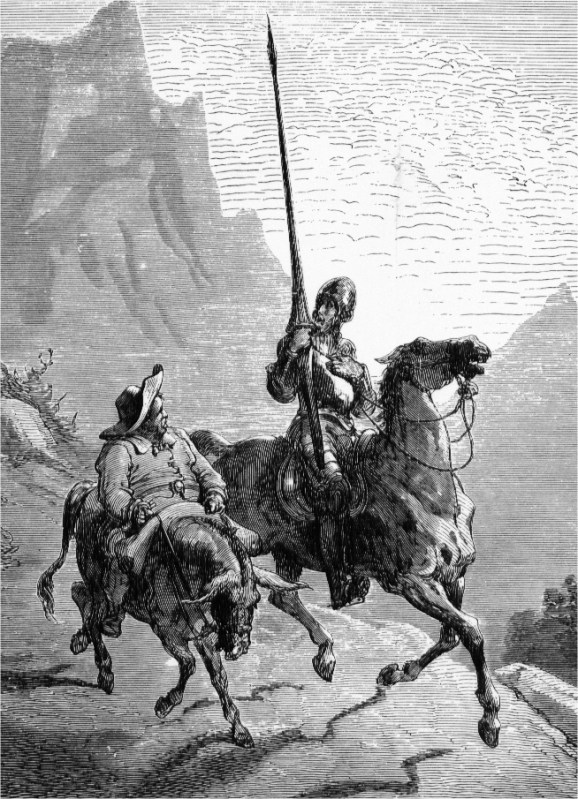
The impact of “Don Quixote” extends far beyond the realm of literature, permeating various aspects of art, culture, and popular imagination. The novel has inspired countless adaptations, including stage plays, operas, films, and visual artworks, each offering unique interpretations of Cervantes’ timeless tale. Its iconic characters, such as the idealistic Don Quixote and the pragmatic Sancho Panza, have become enduring symbols of human resilience, friendship, and the triumph of the human spirit over adversity.
Conclusion:
As we reflect on the enduring importance of Miguel de Cervantes’ masterpiece, “Don Quixote,” we are reminded of the transformative power of literature to transcend boundaries, challenge conventions, and illuminate the human experience. Through its rich tapestry of storytelling, profound insights, and timeless themes, “Don Quixote” continues to inspire and captivate readers around the world, inviting us to embark on a journey of self-discovery, empathy, and imagination. In the words of Cervantes himself, “The truth may be stretched thin, but it never breaks, and it always surfaces above lies, as oil floats on water.”
This Day in History: Miguel de Cervantes was born in Spain. Records of his baptism help to confirm his birth but the exact day is still debated.

 BFWClassroom
You must be logged in to post a comment.