John Stewart: A Green Lantern for Black History Month
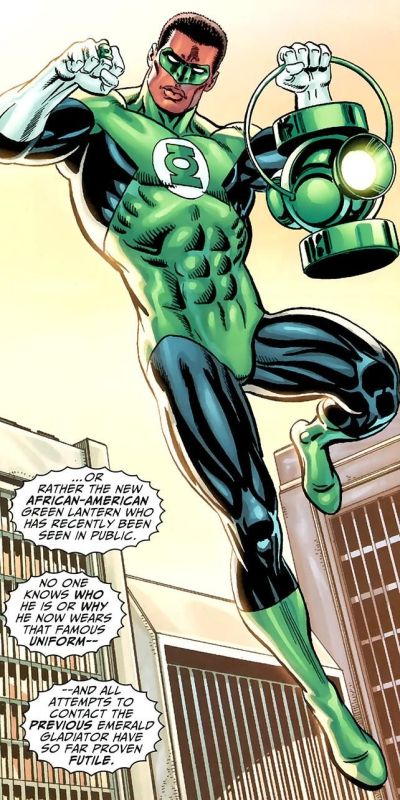
When discussing the intersection of comic books and Black history, few characters stand as prominently as John Stewart, one of DC Comics’ Green Lanterns. As one of the first Black superheroes to play a significant role in mainstream comics, Stewart’s journey as a Green Lantern is deeply connected to themes of social justice, representation, and resilience.
John Stewart’s Legacy
John Stewart debuted in Green Lantern #87 (1971), created by writer Denny O’Neil and artist Neal Adams during a period of social upheaval in the United States. His introduction was a direct response to calls for greater representation in comics, with Stewart embodying the ideals of courage, leadership, and moral integrity.
A former Marine and architect, John Stewart brought a unique perspective to the Green Lantern Corps. His experiences as a Black man in America shaped how he wielded his power ring, often confronting issues of systemic injustice and racism. Stewart’s stories often transcended the superhero genre, reflecting real-world struggles faced by marginalized communities.


Images Copyright of DC Comics
Themes Connecting to Black History Month
- Representation and Identity: John Stewart was one of the first Black superheroes to step into the spotlight, offering young Black readers a hero they could see themselves in.
- Leadership and Responsibility: Stewart is often portrayed as a principled leader, standing up against injustice both on Earth and across the cosmos. His character emphasizes the importance of using one’s platform for change.
- Confronting Prejudice: Many of Stewart’s storylines directly address issues of racial prejudice, social inequality, and the fight for justice, echoing themes central to Black history.
Recommended John Stewart Storylines
To fully appreciate the depth and complexity of John Stewart’s character, here are some essential storylines:
- “Beware My Power!” (Green Lantern #87)
John Stewart’s first appearance introduces him as a reluctant hero who quickly rises to the challenge, showcasing his courage and intelligence. - “Mosaic” (Green Lantern: Mosaic series)
This storyline delves into Stewart’s role as the protector of a patchwork community of alien cultures, exploring themes of unity, leadership, and identity. - “Emerald Twilight” (Green Lantern #48-50)
While primarily a Hal Jordan story, this arc sees John Stewart grappling with the fallout of Jordan’s actions, cementing Stewart’s role as a steadying force in the Green Lantern Corps. - “Justice League Unlimited” (Animated Series)
Though not a comic storyline, the Justice League Unlimited series provides some of the best on-screen representation of John Stewart, exploring his relationships, leadership, and moral dilemmas. - “Sinestro Corps War” (Collected in Green Lantern Corps: Sinestro Corps War)
Stewart plays a key role in this epic battle, balancing his military background with his responsibilities as a Green Lantern. - “Green Lantern Corps: Recharge” (Miniseries)
This arc highlights Stewart’s camaraderie with other members of the Corps, as well as his determination to protect the galaxy from rising threats.
Why John Stewart Matters
John Stewart’s stories serve as a reminder of the power of representation and the importance of heroes who reflect the diversity of their audience. His character challenges stereotypes and inspires readers to think critically about issues of justice and equity.
As we celebrate Black History Month, John Stewart’s legacy reminds us that even in fictional universes, the fight for equality and representation is a story worth telling—and one that resonates deeply in the real world.
This is part of my Comics in the Classroom series where I look at the importance of the comic book industry and how to use them as resources in the classroom. To read more check out my other posts. (Link)
This blog post along with others is part of my Diversity in the Classroom series. Each post is meant to help tell the story of individuals and groups sometimes lost in mainstream history. To read more and see other resources follow this link.

 BFWClassroom
You must be logged in to post a comment.