The Sinestro Corps War: A Superhero Epic with Classroom Potential
Comics have always been more than just entertainment—they reflect societal values, explore complex moral questions, and challenge readers to think critically about power, leadership, and the nature of justice. One standout example is The Sinestro Corps War, a Green Lantern storyline that’s perfect for engaging students in discussions about ethics, teamwork, and the consequences of authoritarianism.
For educators, this series offers a rich tapestry of themes and storytelling that can be used to enhance critical thinking, collaborative projects, and lessons in literature, civics, and social studies.
What Is The Sinestro Corps War?
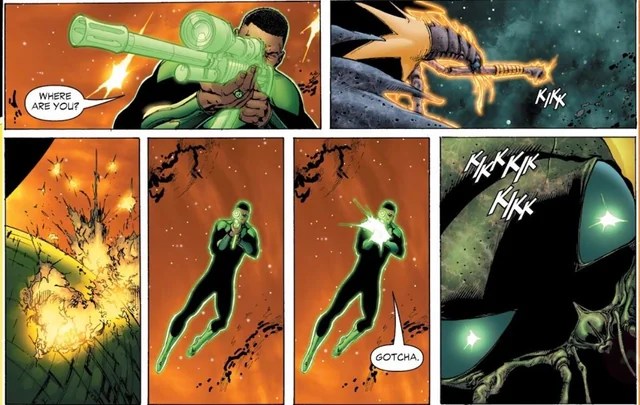
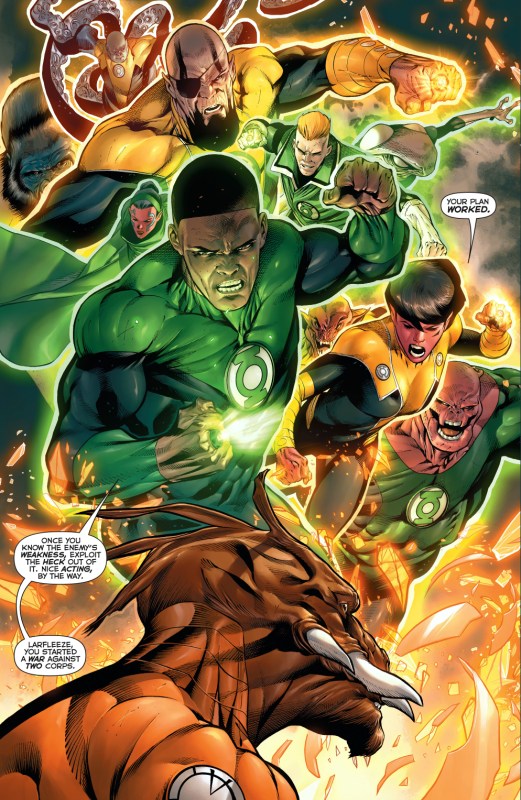
Published between 2007 and 2008, The Sinestro Corps War is an epic crossover event spanning multiple Green Lantern titles. It centers on the battle between the Green Lantern Corps, powered by willpower, and the Sinestro Corps, fueled by fear.
Led by the tyrannical Sinestro, the Sinestro Corps recruits individuals who wield fear as their greatest weapon. This storyline explores the ideological clash between the forces of fear and willpower, the moral dilemmas faced by heroes, and the price of maintaining order in a chaotic universe.
Key Themes for the Classroom
- The Ethics of Power and Control
The Sinestro Corps War raises important questions about the use of power. The Green Lanterns represent a democratic approach to justice, while the Sinestro Corps embodies authoritarianism, using fear to impose order.
Classroom Discussion Prompt: What are the risks and benefits of using fear as a tool for control? How do these ideas connect to real-world governance and leadership? - Courage vs. Fear
The series emphasizes the relationship between willpower and fear, demonstrating how courage is not the absence of fear but the ability to overcome it.
Activity Idea: Have students analyze the psychological impact of fear on decision-making, both in the comic and in real-world scenarios. - Teamwork and Leadership
The Green Lantern Corps operates as a collective force, showcasing the importance of teamwork, trust, and leadership in overcoming challenges.
Group Activity: Assign students roles as members of a “corps” tasked with solving a fictional problem (e.g., managing resources on an alien planet). How do they distribute responsibilities and handle conflicts? - Symbolism and Color Psychology
The emotional spectrum in the Green Lantern universe uses colors to represent emotions: will (green), fear (yellow), rage (red), and so on. This can lead to discussions about symbolism in literature and color psychology.
Creative Assignment: Have students create their own “emotional corps,” assigning colors and symbols to emotions they find meaningful.
How to Use The Sinestro Corps War in the Classroom
- Graphic Novels as Texts
Use excerpts from the series as a way to analyze narrative structure, character development, and conflict resolution. Graphic novels are especially engaging for reluctant readers and visual learners. - Compare and Contrast with Historical Events
The ideological clash in The Sinestro Corps War can be compared to historical struggles between democracy and authoritarianism, such as the Cold War or civil rights movements. - Art and Storytelling Workshops
Have students design their own superhero corps, complete with symbols, mottos, and guiding principles. This integrates art, writing, and critical thinking into one project. - SEL Connections
The emotional spectrum in the Green Lantern universe provides an entry point for discussions about emotional intelligence and self-awareness. How do fear, rage, and willpower manifest in their own lives, and how can they overcome negative emotions?
Why The Sinestro Corps War Matters
At its heart, The Sinestro Corps War is a story about resilience, the fight for justice, and the power of unity in the face of overwhelming odds. For educators, it’s a versatile resource that brings together storytelling, ethics, and social-emotional learning.
By incorporating this epic comic into the classroom, teachers can inspire students to think critically about the world around them—and perhaps even spark the creation of their own heroic narratives.
Suggested Companion Reading
Excerpts from The Federalist Papers or Martin Luther King Jr.’s “Letter from Birmingham Jail” (to discuss the moral responsibility of leadership).
Superman: Red Son (for themes of governance and ideology)
Maus by Art Spiegelman (for the use of symbolism in graphic novels)
Images Copyright of DC Comics
Themes Connecting to Black History Month
- Representation and Identity: John Stewart was one of the first Black superheroes to step into the spotlight, offering young Black readers a hero they could see themselves in.
- Leadership and Responsibility: Stewart is often portrayed as a principled leader, standing up against injustice both on Earth and across the cosmos. His character emphasizes the importance of using one’s platform for change.
- Confronting Prejudice: Many of Stewart’s storylines directly address issues of racial prejudice, social inequality, and the fight for justice, echoing themes central to Black history.
Recommended John Stewart Storylines
To fully appreciate the depth and complexity of John Stewart’s character, here are some essential storylines:
- “Beware My Power!” (Green Lantern #87)
John Stewart’s first appearance introduces him as a reluctant hero who quickly rises to the challenge, showcasing his courage and intelligence. - “Mosaic” (Green Lantern: Mosaic series)
This storyline delves into Stewart’s role as the protector of a patchwork community of alien cultures, exploring themes of unity, leadership, and identity. - “Emerald Twilight” (Green Lantern #48-50)
While primarily a Hal Jordan story, this arc sees John Stewart grappling with the fallout of Jordan’s actions, cementing Stewart’s role as a steadying force in the Green Lantern Corps. - “Justice League Unlimited” (Animated Series)
Though not a comic storyline, the Justice League Unlimited series provides some of the best on-screen representation of John Stewart, exploring his relationships, leadership, and moral dilemmas. - “Sinestro Corps War” (Collected in Green Lantern Corps: Sinestro Corps War)
Stewart plays a key role in this epic battle, balancing his military background with his responsibilities as a Green Lantern. - “Green Lantern Corps: Recharge” (Miniseries)
This arc highlights Stewart’s camaraderie with other members of the Corps, as well as his determination to protect the galaxy from rising threats.
Why John Stewart Matters
John Stewart’s stories serve as a reminder of the power of representation and the importance of heroes who reflect the diversity of their audience. His character challenges stereotypes and inspires readers to think critically about issues of justice and equity.
As we celebrate Black History Month, John Stewart’s legacy reminds us that even in fictional universes, the fight for equality and representation is a story worth telling—and one that resonates deeply in the real world.
This is part of my Comics in the Classroom series where I look at the importance of the comic book industry and how to use them as resources in the classroom. To read more check out my other posts. (Link)
This blog post along with others is part of my Diversity in the Classroom series. Each post is meant to help tell the story of individuals and groups sometimes lost in mainstream history. To read more and see other resources follow this link.

 BFWClassroom
You must be logged in to post a comment.