
Perfect for the Advanced History Classroom
For educators teaching AP European History, World History, or advanced undergraduate courses on nineteenth-century Europe, finding books that combine rigorous scholarship with accessible narrative can be challenging. Rachel Chrastil’s “Bismarck’s War: The Franco-Prussian War and the Making of Modern Europe” emerges as an ideal text that bridges this gap perfectly.
This book addresses multiple learning objectives central to AP European History curricula, particularly those focusing on nationalism, imperialism, and the causes of modern warfare. Students studying the unification of Germany, the decline of the Second French Empire, or the roots of twentieth-century conflict will find Chrastil’s work invaluable. The author’s emphasis on primary sources and personal narratives makes it particularly suitable for courses that emphasize document-based analysis and historical thinking skills.
What sets this book apart for classroom use is its dual perspective approach and wealth of primary source material. Rather than presenting a traditional top-down military history, Chrastil weaves together personal accounts from soldiers, civilians, and leaders on both sides of the conflict. This methodology aligns perfectly with current pedagogical approaches that emphasize multiple perspectives and the human experience in historical events.
When History Comes Alive Through Personal Stories
In the summer of 1870, Europe was about to witness one of the most dramatic reversals of fortune in modern history. Within months, the mighty French Empire would crumble, Napoleon III would become a prisoner, and a new German Empire would emerge from the ashes of conflict. But behind these sweeping historical changes lay millions of individual stories—soldiers writing final letters home, civilians cowering under bombardment, and leaders grappling with decisions that would reshape a continent.
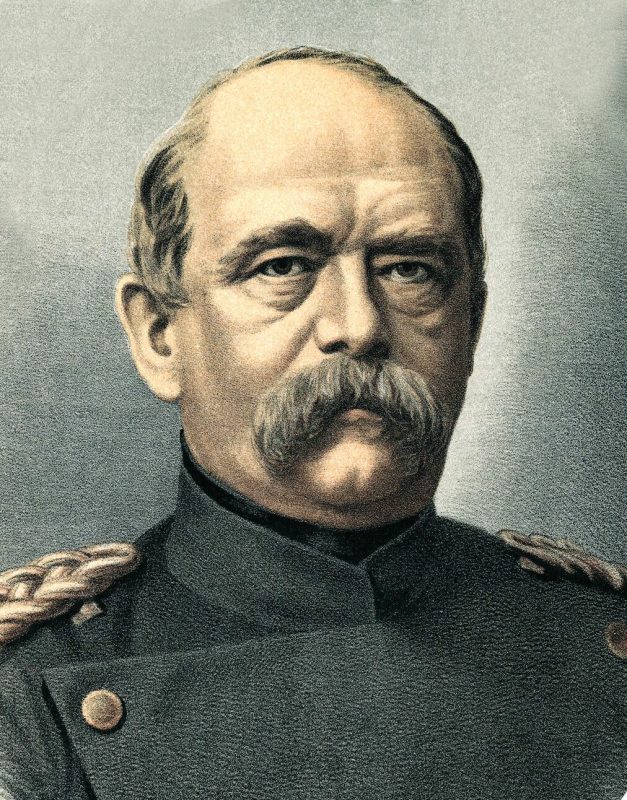
Rachel Chrastil’s “Bismarck’s War: The Franco-Prussian War and the Making of Modern Europe” brings these human stories to the forefront, creating what critics have called “the definitive history of a transformative conflict.” Rather than focusing solely on grand strategy and battlefield tactics, Chrastil weaves together personal narratives from both French and German perspectives, offering readers an intimate portrait of one of Europe’s most consequential conflicts.
The Franco-Prussian War may have lasted only seven months, but its impact reverberates through history to this day.
A Collection of Voices
What makes this book particularly valuable for educators and students is Chrastil’s masterful use of personal accounts and primary sources. The author draws from diaries, letters, and memoirs of soldiers, civilians, and commanders on both sides of the conflict, providing readers with an unfiltered view of the war’s impact on individual lives. These personal stories serve as excellent primary source material for classroom discussions, allowing students to understand history through the eyes of those who lived it.
The dual perspective—French and German—is one of the book’s greatest strengths. Chrastil doesn’t present a one-sided narrative but instead shows how the same events were experienced, interpreted, and remembered differently by participants from each nation. This approach helps readers develop a more nuanced understanding of the conflict and its aftermath.
The Challenge of Following Multiple Narratives
As the war progresses and the situation becomes increasingly desperate, particularly for the French, the narrative does become more challenging to follow. This difficulty is largely due to Chrastil’s commitment to historical accuracy and her decision to include numerous individual stories from the front lines. While this makes for rich historical content, it can overwhelm readers, especially those experiencing the book in audiobook format where it’s harder to track the various characters and their movements.
However, this complexity mirrors the chaos and confusion of the war itself. The multitude of voices and perspectives, while sometimes difficult to follow, reinforces the author’s central thesis about the human cost of conflict and the way war touches every level of society.
Understanding Bismarck’s Vision
One of the book’s most compelling aspects is its exploration of Otto von Bismarck’s motivations and strategic thinking. Chrastil effectively demonstrates how Bismarck’s vision differed from that of other German leaders of his era. While many German politicians were content with a loose political confederation, Bismarck sought something far more ambitious: the creation of a unified German nation under Prussian leadership.
The author skillfully explains how Bismarck engineered the conflict not merely to defeat France, but to achieve this broader goal of German unification. This context helps readers understand that the Franco-Prussian War was not just about territorial disputes or dynastic succession, but about fundamentally reshaping the European political landscape.
French Resilience and Leadership Failures
Chrastil’s treatment of the French side of the conflict is particularly nuanced. She details how French army commanders attempted to continue fighting even after the catastrophic capture of Napoleon III and the devastating defeats at Sedan and Strasbourg. The author shows how French forces, despite facing overwhelming odds, demonstrated remarkable resilience and determination.
However, she also clearly illustrates why these efforts were ultimately doomed to failure. The French military’s rigid command structure and poor leadership at crucial moments undermined any chance of success. Chrastil’s analysis reveals how institutional weaknesses, rather than lack of courage or fighting spirit, led to French defeat.
Dispelling Myths About Prussian Invincibility
Perhaps one of the most valuable contributions of Chrastil’s work is her balanced assessment of Prussian military capabilities. Rather than perpetuating myths about Prussian military genius or inevitable victory, she demonstrates that the Prussian army was far from invincible. The author identifies several crucial moments when better French military leadership could have changed the war’s outcome entirely.
This analysis serves an important historical purpose by showing that the Prussian victory was not predetermined. The war’s outcome resulted from specific decisions, organizational advantages, and tactical innovations rather than inherent German superiority. This nuanced view helps readers understand the contingent nature of historical events.
Educational Value
For educators, “Bismarck’s War” offers exceptional value as both a teaching tool and a source of primary material. The personal accounts Chrastil incorporates provide students with direct access to historical voices, making the past feel immediate and relevant. The book’s structure allows instructors to use specific chapters or sections to illustrate particular themes, whether discussing military innovation, civilian experience in wartime, or the process of nation-building.
The author’s clear explanations of complex political and military developments make the book accessible to undergraduate students while providing enough depth and nuance to engage more advanced readers.
Final Assessment
“Bismarck’s War” succeeds brilliantly in its ambitious goal of humanizing a pivotal moment in European history. While the proliferation of characters and storylines can make it challenging to follow at times, this very complexity reflects the messy reality of war and its impact on countless individual lives.
Chrastil has produced a work that will likely become one of the standard English-language account of the Franco-Prussian War for years to come. Her combination of rigorous scholarship, narrative skill, and commitment to presenting multiple perspectives creates a reading experience that is both educational and deeply moving.
For anyone seeking to understand not just what happened during the Franco-Prussian War, but how it felt to live through it, Chrastil’s book offers an unparalleled window into this transformative period of European history. It reminds us that behind every historical event are real people whose stories deserve to be told and remembered.


You must be logged in to post a comment.