Category: History and Civics
-
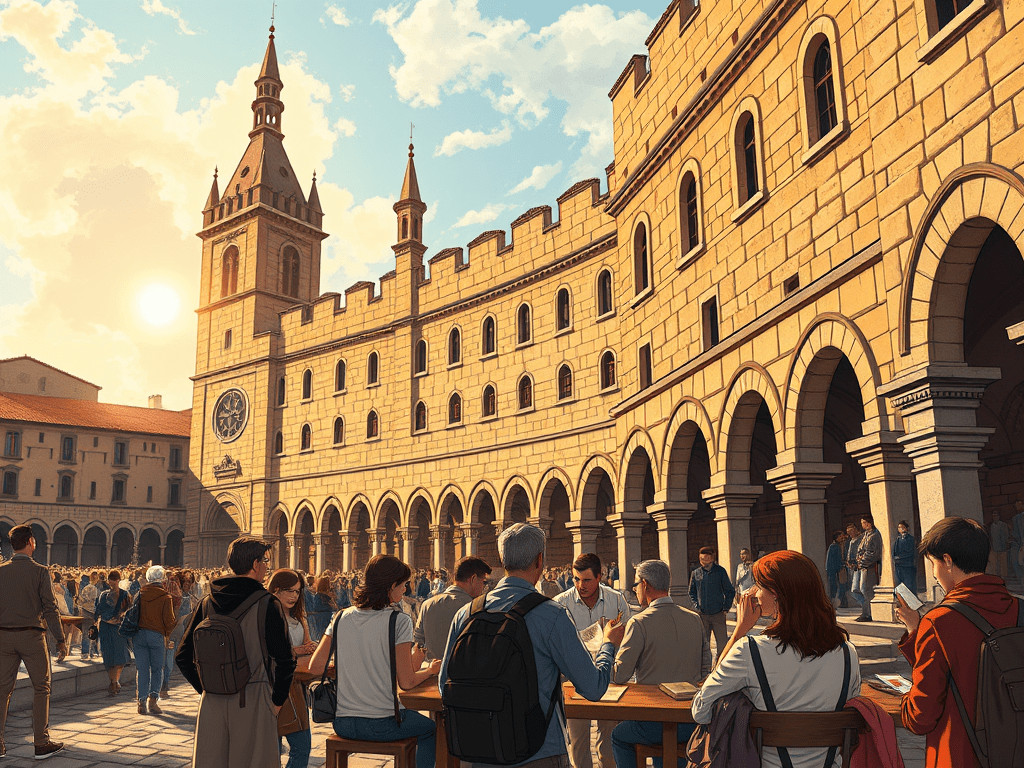
The Halls That Built the West: Five Universities That Shaped a Thousand Years of Learning
Posted for April 23 — St. George’s Day, and a fitting moment to celebrate the medieval English and European academic traditions that gave us the modern university Every August, students across the globe pack up belongings, move into dormitories, and begin a ritual that feels deeply modern: signing up for courses, sitting in lecture halls,…
-
What If: The King Who Walked Away
Following George III’s abdication in 1783, Britain transformed into a Commonwealth, implementing radical reforms, promoting representation, and fostering economic growth, reshaping its governance and global influence.
-

The Long Ledger: Part 2
The Shell Game Cold War Geopolitics and the Redistribution of Colonial Wealth, 1945–1991 The Cold War is usually taught as a clash of ideologies, and the ideologies were real. Liberal democracy and Soviet communism were genuinely incompatible visions of how human society should be organized, and both superpowers believed, at least partly, in what they…
-
The Long Ledger: Part 3
Free Markets as Foreign Policy Trade Agreements, Capitalist Hegemony, and the Limits of Economic Freedom, 1991–2008 When the Berlin Wall came down in 1989, something unusual happened in Western intellectual life: a significant number of serious people decided that history had ended. Not literally, of course, but in the sense that the great contest of…
-
The Long Ledger: Part 4
The Incubator Terror, China, and the Fracturing Dollar Order, 2000–2025 History rarely announces its turning points. The ones that seem obvious in retrospect were not always recognized as pivots in the moment; they were recognized as catastrophes, opportunities, or curiosities, and only later assembled into the narratives we use to explain them. The first twenty-five…
-
The Long Ledger, Addendum
The Realignment Has Already Begun The Iran Conflict, the Petrodollar, and the Economic Pivot Nobody Voted For A caveat before anything else: this post was written in late March 2026, while the conflict is still active and the full picture is still forming. Some of what is documented here will look different in six months;…

