Category: Politics in the Classroom
-
A Vision Arrived Too Late: Reading James Canton’s Future Smart in 2025
Book: Future Smart: Managing the Game-Changing Trends That Will Transform Your World by James Canton Publisher: Da Capo Press (2015) Audience: High School (Advanced) to College Level Recommended for: AP Human Geography, Economics, English Language Arts, Technology and Society electives Rating 3.75 of 5 Stars Why This Book Matters (and Why Timing Matters More) There…
-
War, More War, and War Without End
This month marks the 4 year anniversary of the Russia invasion of Ukraine in 2022 and the 16 year anniversary of the Russian annexation of Crimea and the Donbas Region. It made me think of when I read John Hersey’s book Hiroshima in 2009 as part of my Masters graduate studies and I wanted to…
-
What If Jesse Jackson Won the 1988 Election?
Rev. Jesse Jackson, who passed away in 2026, profoundly impacted American politics through his civil rights activism and presidential campaigns, shaping discussions on democracy and race.
-
Understanding Global Politics: A Review of Prisoners of Geography
Tim Marshall’s updated “Prisoners of Geography” audiobooks offers educators engaging insights into how geography influences global politics, making it a valuable resource for teaching current events and history.
-
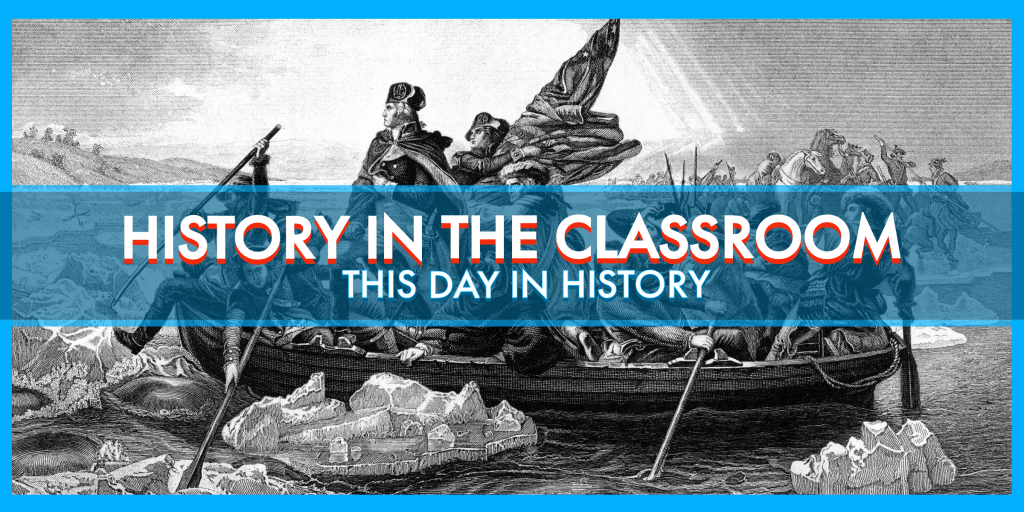
The Bill of Rights Turns 233
Using comics to teach the Bill of Rights engages students by transforming abstract legal principles into relatable narratives, facilitating understanding of constitutional law through visual storytelling and current events.
-
Keep Discovery at Udvar-Hazy: A Case for Preserving Context Over Politics
The article argues for keeping Space Shuttle Discovery at Udvar-Hazy, emphasizing its historical context, accessibility, and educational value, while proposing Houston focus on modern spaceflight narratives.
 BFWClassroom
You must be logged in to post a comment.