Tag: Politics in the Classroom
-

The Beautiful Game’s Complicated Summer: What the 2026 FIFA World Cup Really Means for America
The 2026 FIFA World Cup arrives with big economic promises and bigger complications — from pricing out fans and erasing a Dallas mural to renamed stadiums and sluggish hotel bookings. A civic educator’s look at the costs of hosting.
-
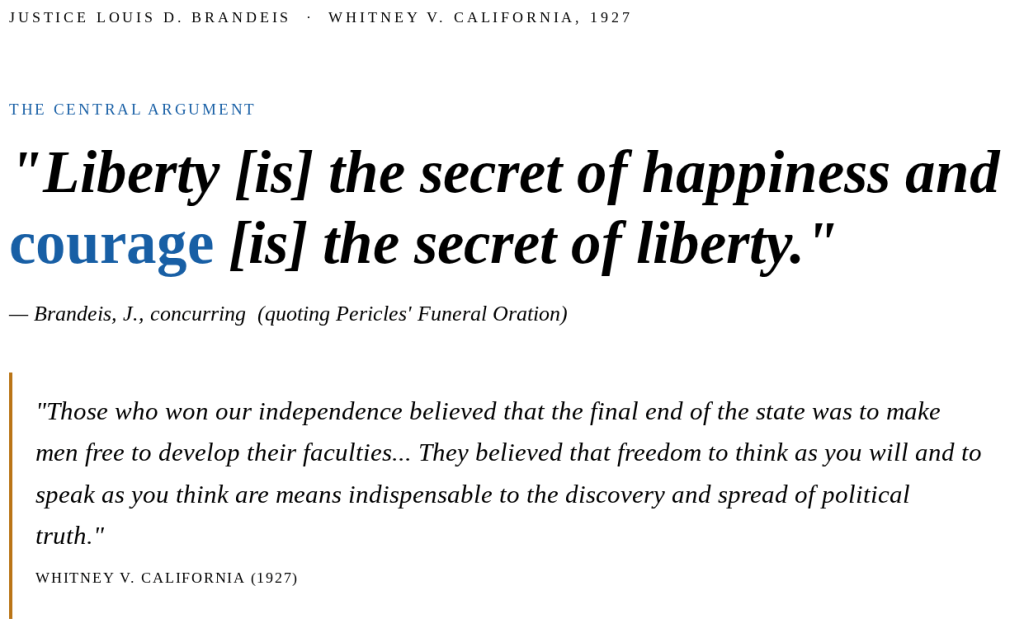
Quote Of The Day
It’s a great day during the civil rights and civil liberties unit to talk about the time that Supreme Court Justice Brandeis quotes Pericles’s funeral speech to be able to explain Thomas Jefferson’s ideas as to why he wrote Virginia’s bill on the independence and freedom of religion. Because at its core, all three men…
-

The Long Ledger: Part 1
The economic motivations behind conflicts from 1914 to 1945 shaped wartime decisions, international relations, and postwar policies, revealing deeper motivations beyond ideological narratives.
-
The Long Ledger: Part 2
The Shell Game Cold War Geopolitics and the Redistribution of Colonial Wealth, 1945–1991 The Cold War is usually taught as a clash of ideologies, and the ideologies were real. Liberal democracy and Soviet communism were genuinely incompatible visions of how human society should be organized, and both superpowers believed, at least partly, in what they…
-
The Long Ledger: Part 3
Free Markets as Foreign Policy Trade Agreements, Capitalist Hegemony, and the Limits of Economic Freedom, 1991–2008 When the Berlin Wall came down in 1989, something unusual happened in Western intellectual life: a significant number of serious people decided that history had ended. Not literally, of course, but in the sense that the great contest of…
-
The Long Ledger: Part 4
The Incubator Terror, China, and the Fracturing Dollar Order, 2000–2025 History rarely announces its turning points. The ones that seem obvious in retrospect were not always recognized as pivots in the moment; they were recognized as catastrophes, opportunities, or curiosities, and only later assembled into the narratives we use to explain them. The first twenty-five…

