Tag: US History
-
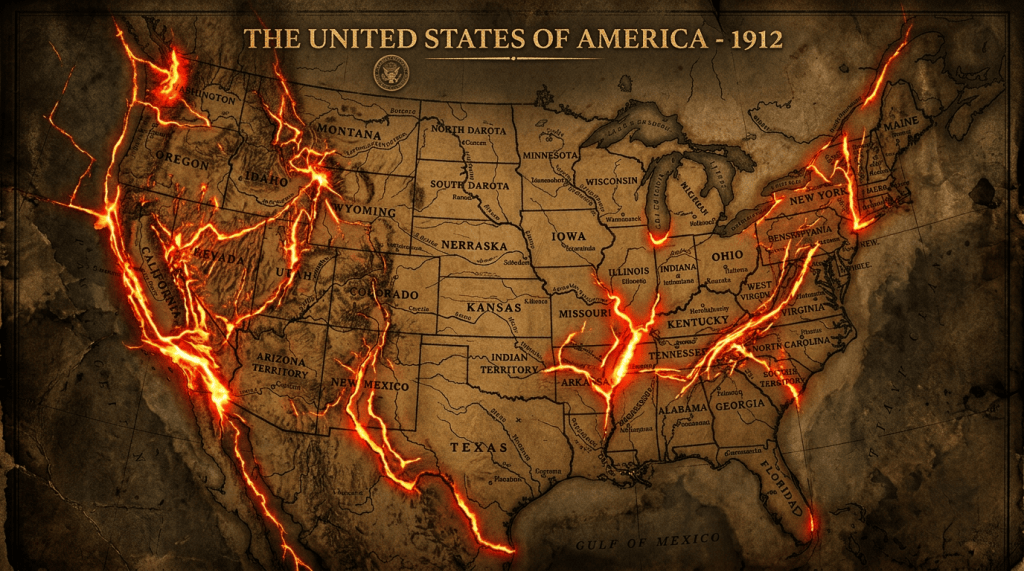
What If Roosevelt’s Milwaukee Wound Had Been Fatal — But Slowly?
Roosevelt wins the 1912 election while mortally wounded, then dies before the inauguration. What follows mirrors the 1876 Tilden-Hayes crisis — a constitutional fight over whether the Electoral College can legally seat Hiram Johnson as president. #WhatIf
-

What If the United States Had Sent Troops to Cuba — With Longstreet in Command?
Cuban independence, the Ten Years’ War, and the consequences of one general’s absence from New Orleans Historical Grounding In October 1868, a sugar planter named Carlos Manuel de Céspedes walked to the slave quarters of his estate in eastern Cuba, called his enslaved workers together, and told them they were free. Then he rang the…
-
What If Longstreet Had Been Delayed — and the Battle of Liberty Place Became a Massacre?
In September 1874, the White League’s coup in New Orleans threatened Reconstruction, highlighting Rodolphe Desdunes’ pivotal role in civil rights, especially in the historic Plessy v. Ferguson case.
-
What If: The Red Summer That Lasted
The post-World War I labor unrest in America, if effectively coordinated, could have led to a revolutionary movement, fundamentally changing society and politics.
-

Geographic Renaming by Executive Order: Why Process Matters in the Classroom (and in History)
Renaming places matters; how you do it matters more. What New Zealand and Australia teach us about geographic justice and why the process shapes what students learn.
-

Book Review: Hiroshima by John Hersey
A classroom-ready review of John Hersey’s Hiroshima for high school history and ELA teachers. Covers narrative nonfiction, WWII remembrance, and discussion questions.

