This is one of several articles in my brief history series about the US Civil War and its ever evolving place in American history. What began in 2010 as a blog series about the 150th anniversary has evolved into so much more.
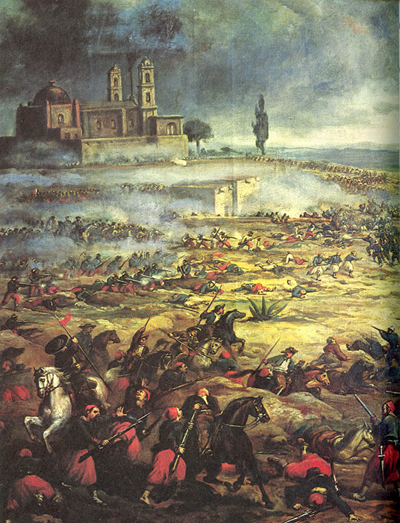
In 1862, Napoleon III needed to consolidate support from the business leaders of France because the French economy was quickly sliding into a recession. Costs from his wars in Crimea and Italy, large infrastructure campaigns in Paris, and the fact that embargoed cheap cotton from US southern states was pushing up production costs on the European market and led to an ever-growing uneasiness in the Second French Empire. Additionally, conservative forces in Mexico were looking for ways to regain their power following their failed attempts at overthrowing the new La Reforma government of Pres. Benito Juarez. His suspension of loan payments to European governments did not help the markets either. Plus, the US was now almost a year into a once perceived “easy” war and was beginning to see a larger resistance from Plains tribes. Pres. Lincoln was in no position to defend US interests or Western Republics as explained in the Monroe Doctrine. So, a convergence of sorts takes place in London, when the foreign governments of Great Britain, Spain, and France (with the backing of the Hapsburg throne in Austria) agree to invade Mexico and create a puppet government with support from conservative leaders in Mexico. What could possibly go wrong?
Check out the rest of the original post here. Link
Classroom Resources
These are some of the combined discussion topics as part of my modified Social Studies Credit Recovery class.
- Cultural Studies Worksheet: Cinco de Mayo and Columbus Day
- Cultural Studies Worksheet: Emancipation Day and Juneteenth
External Resources
- Throughline by NPR: Cinco de Mayo and the Rise of Modern Mexico
- History.com: Cinco de Mayo History and Celebrations
- The Atlantic “The Americanization of Cinco de Mayo“

 BFWClassroom
