
July’s Cosmic Journey: Unveiling Space History’s Greatest Moments
The month of July brings not only the warmth of summer but also a treasure trove of space history that has shaped our understanding of the universe. Join us on a cosmic adventure through five significant events that have illuminated the skies and pushed the boundaries of space exploration.
- A Giant Leap for Humankind: On July 20, 1969, NASA’s Apollo 11 mission achieved a historic milestone as astronauts Neil Armstrong and Buzz Aldrin became the first humans to set foot on the Moon. Neil’s famous words, “That’s one small step for man, one giant leap for mankind,” marked an extraordinary moment in human history. This remarkable feat serves as a powerful catalyst for discussions about space exploration, human achievements, and the determination to overcome challenges.
- Stardust’s Celestial Treasure Hunt: On July 4, 1999, NASA’s Stardust spacecraft was launched to collect samples from a comet’s tail. After a seven-year journey, Stardust returned to Earth on January 15, 2006, carrying precious cargo from Comet Wild 2. This mission offers a unique opportunity to explore comets, their composition, and the importance of sample return missions in space science.
- The Red Planet Revealed: July 4, 1997, saw the arrival of NASA’s Pathfinder mission on Mars. This historic mission introduced the world to the rover Sojourner, the first successful Mars rover. Pathfinder’s exploration of the Martian surface laid the foundation for future missions like the Mars rovers Spirit, Opportunity, and Curiosity. It’s a fantastic subject for students to delve into the mysteries of the Red Planet.
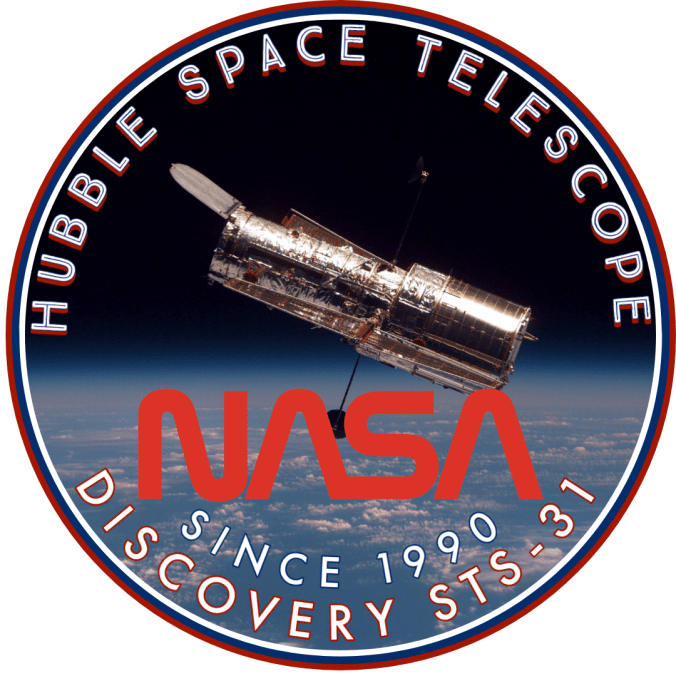
- Hubble’s Cosmic Eye: On July 23, 1999, NASA’s Space Shuttle Discovery launched the Space Telescope Imaging Spectrograph (STIS) as part of the Hubble Space Telescope. The Hubble has provided humanity with breathtaking images and valuable scientific data. It’s a gateway to understanding distant galaxies, nebulae, and the expanding universe. Educators can explore the Hubble’s contributions to astronomy, scientific discoveries, and the art of space photography.
- NASA’s Juno Unveils Jupiter: July 4, 2016, marked a significant event as NASA’s Juno spacecraft entered Jupiter’s orbit. This ambitious mission is unraveling the secrets of the largest planet in our solar system. Juno’s discoveries can captivate students’ interest in gas giants, planetary atmospheres, and space missions.
July is a month filled with remarkable events that ignite our passion for space exploration and scientific discovery. These five milestones in space history offer educators an array of resources to engage students in discussions, projects, and activities that highlight the wonders of the cosmos. Whether it’s the Moon landing, comet missions, Martian exploration, or the mysteries of the universe, there’s a celestial adventure waiting to be explored.
This blog post is part of a series of writings celebrating and sharing the successes of the Space Exploration. They will be posted on the 20th of each month to celebrate the first landing on the moon. (July 20, 1969) To read more and find classroom resources follow this Link.

 BFWClassroom
You must be logged in to post a comment.