
August’s Celestial Symphony: Exploring Space History’s Ode to Discovery
As the sun’s warmth graces the month of August, it also illuminates some of the most remarkable events in the annals of space history. Join us on an interstellar journey through five significant cosmic moments that have broadened our understanding of the universe and continue to inspire generations.
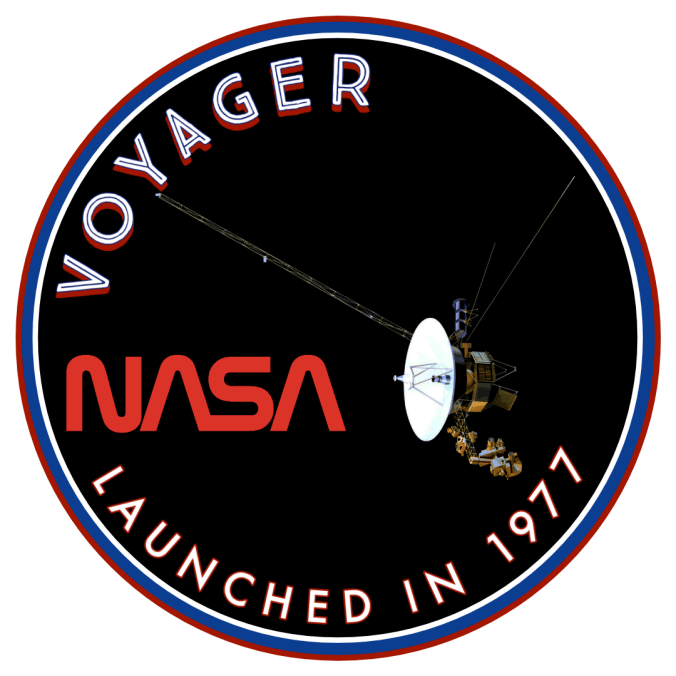
- The Voyager Grand Tour: On August 20, 1977, NASA launched the Voyager 2 spacecraft, a cosmic ambassador carrying a golden record filled with sounds and images representing Earth’s rich diversity. In 2012, Voyager 1 became the first human-made object to enter interstellar space, and both probes are now exploring the cosmos beyond our solar system. This mission provides an opportunity to discuss the human desire for exploration and curiosity about extraterrestrial life.
- James Webb Space Telescope (JWST): August 30, 2021, saw the upcoming launch of the James Webb Space Telescope, often described as the successor to the Hubble Space Telescope. This colossal scientific instrument promises to unveil the universe’s secrets, offering unprecedented insights into galaxies, stars, and exoplanets. Educators can use this event to highlight the importance of cutting-edge technology and international collaboration in space exploration.
- Mariner 2’s Solar Triumph: On August 27, 1962, NASA’s Mariner 2 became the first spacecraft to successfully fly by another planet, Venus. This historic mission marked a pivotal moment in space history, paving the way for future planetary exploration. It’s a fascinating topic to explore the challenges and triumphs of early interplanetary missions.
- The Perseids Meteor Shower: Every August, the Earth passes through the debris of the Swift-Tuttle comet, giving rise to the breathtaking Perseids meteor shower. This annual celestial spectacle offers an opportunity to engage students in discussions about meteoroids, comets, and the wonders of the night sky. Organize stargazing events or projects to observe and document meteor showers.
- New Horizons and Pluto: August 25, 2006, marked the launch of NASA’s New Horizons spacecraft, embarking on a nine-and-a-half-year journey to the distant dwarf planet Pluto. The flyby of Pluto on July 14, 2015, provided remarkable images and data about this distant world. The mission’s success can serve as a gateway to studying the outer reaches of our solar system and the quest to explore mysterious and uncharted territories.
August presents a celestial symphony, a harmonious interplay between human exploration and the mysteries of the cosmos. These five space history events offer educators and students a chance to delve into the wonders of space, discuss technological advancements, and appreciate the beauty of the night sky. Whether it’s the Voyager probes, the James Webb Space Telescope, interplanetary missions, meteor showers, or Pluto’s enigmatic charm, August is a month filled with cosmic inspiration.
This blog post is part of a series of writings celebrating and sharing the successes of the Space Exploration. They will be posted on the 20th of each month to celebrate the first landing on the moon. (July 20, 1969) To read more and find classroom resources follow this Link.

 BFWClassroom
You must be logged in to post a comment.