
The Atlas Maneuver vs. The Solomon Curse: A Comparative Book Review
Steve Berry’s The Atlas Maneuver (4.5/5) represents a masterful evolution of the espionage thriller, brilliantly weaving cryptocurrency into WWII treasure hunting with exceptional depth on fiat money systems. Clive Cussler’s The Solomon Curse (3/5), while entertaining, offers a more conventional approach that falls short of its potential despite solid adventure elements.
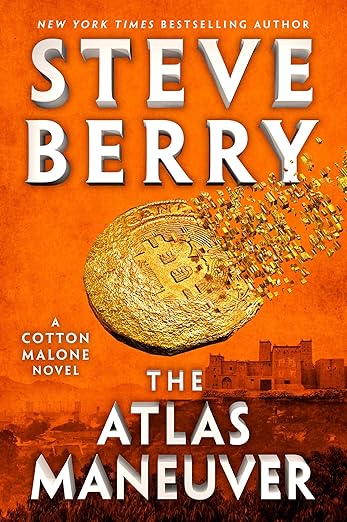
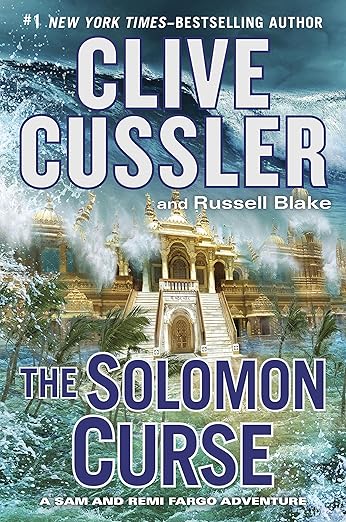
Steve Berry’s The Atlas Maneuver: Espionage Meets Digital Revolution
What Makes It Work
Steve Berry demonstrates why he remains the master of historical conspiracy thrillers by taking his signature blend of espionage, adventure, and historical intrigue into uncharted territory. The Atlas Maneuver centers on Cotton Malone’s investigation into Yamashita’s Gold—vast quantities of stolen WWII treasure hidden by Japan in the Philippines—but Berry ingeniously connects this historical mystery to the contemporary world of Bitcoin and cryptocurrency manipulation.
The Cryptocurrency Revolution
Berry explores a fascinating flaw in the Bitcoin system that’s “not much discussed but it’s there,” using this technical vulnerability as the foundation for a plot involving the weaponization of cryptocurrency against global financial systems. The novel succeeds brilliantly in explaining complex financial concepts, from the creation of money and inflation to world economics, written for the average reader. This educational aspect elevates the thriller beyond mere action-adventure into genuine financial literacy.
Modern Villains, Timeless Greed
Berry’s genius lies in recognizing that the toxic tech-bro mentality provides perfect modern antagonists for treasure hunting narratives. The story features a woman from Cotton’s past who “claims to have invented/created cryptocurrency in the form of bitcoin,” harboring explosive secrets about digital currency being quietly weaponized for an assault on world financial systems. This contemporary angle breathes new life into the familiar WWII gold hunt formula.
Berry’s Signature Strengths Enhanced
The novel takes readers from “the stolid banking halls of Luxembourg, to the secret vaults of Switzerland, and finally up into the treacherous mountains of southern Morocco”, showcasing Berry’s talent for exotic locations. The detailed examination of Bitcoin’s history, function, mining processes, and global perception adds fascinating contemporary relevance while maintaining the historical conspiracy elements that define Berry’s work.
Clive Cussler’s The Solomon Curse: Traditional Adventure Falls Short
Familiar Formula, Predictable Results
The Solomon Curse follows husband-and-wife treasure hunters Sam and Remi Fargo as they investigate an underwater archaeological project on Guadalcanal, discovering an ancient complex where evidence suggests the Japanese removed valuable items during WWII. While the setup promises intrigue, the execution feels formulaic.
Missed Opportunities
The novel touches on themes of corporate manipulation and rebellion but lacks the sophisticated economic and political analysis that could have elevated it. Rather than a typical treasure-hunting antagonist, the story features “some rich CEO working with rebels to nationalize the Solomon Islands,” which “doesn’t sound like much but it was a nice change”. However, this promising setup isn’t fully developed into the kind of complex market manipulation and corporate debt intrigue that could have made the story compelling.
Structural Weaknesses
Critics noted significant problems with the narrative structure: “What is usually the main plot point, some type of underwater/archaeological site has little to anything to do with the plot. Luckily there are so many subplots, all basically irrelevant or poorly tied together, that it doesn’t really matter”. The disconnect between the archaeological discovery and the actual plot undermines the story’s coherence.
Comparative Analysis: Evolution vs. Convention
Innovation in Financial Thriller Writing
Berry’s approach represents a quantum leap in how adventure thrillers can address contemporary issues. As Berry notes, “to my knowledge this is the first novel on which bitcoin is the plot”, and he uses this unprecedented angle to explore how “bitcoin works in anonymity” with “few regulations,” creating a system where “this lack of regulation, and unrestricted freedom, cuts both ways”.
Historical Integration
Both novels attempt to connect WWII treasure to modern conflicts, but Berry succeeds where Cussler stumbles. Berry seamlessly integrates the historical Black Eagle Trust with contemporary cryptocurrency manipulation, creating a believable through-line from past to present. Cussler’s connection between ancient Solomon Islands civilization and modern corporate nationalism feels forced and underdeveloped.
Educational Value
The most striking difference lies in educational depth. The Atlas Maneuver provides “great insight into little-known history” while offering passages about “the creation of money, inflation, and world economics” that are “generally accurate and written for the average reader”. The Solomon Curse misses opportunities to explore the economics of resource nationalism or corporate debt manipulation in meaningful ways.
Final Verdict
The Atlas Maneuver: 4.5/5 Berry delivers his strongest work in years by recognizing that modern financial systems provide the perfect backdrop for contemporary espionage. The novel’s explanation of fiat money, reserve currencies, and cryptocurrency manipulation makes it essential reading for anyone wanting to understand how digital currencies could be weaponized. Berry “has long drawn comparisons to fellow bestselling author Dan Brown,” and this Bitcoin-focused thriller “feels right on the money” as it takes readers “down the rabbit hole of cryptocurrency, exploring how digital currencies could, in theory, one day be weaponized”.
The Solomon Curse: 3/5 While the novel offers “graphic-novel worthy” scenes “from sweat-stained jungle treks to bad-guy confrontations, all laced with historical factoids”, it ultimately represents missed potential. The failure to develop themes of revenge nationalism, market manipulation, and corporate debt into a cohesive narrative prevents it from achieving the sophistication readers expect from modern adventure fiction.
Why Berry Wins
The Atlas Maneuver succeeds because it understands that contemporary thrillers must grapple with contemporary threats. In an era where financial warfare is as dangerous as physical conflict, Berry’s exploration of cryptocurrency vulnerabilities feels both timely and terrifying. Cussler’s adherence to traditional adventure tropes, while entertaining, feels increasingly antiquated in comparison.
The future of adventure fiction lies not in retreading familiar treasure-hunting formulas, but in recognizing how modern technology creates new forms of treasure—and new ways to steal it.
This post contains affiliate links. If you make a purchase through these links, I will earn a commission at no extra cost to you. Thank You for your support.

 BFWClassroom
You must be logged in to post a comment.