
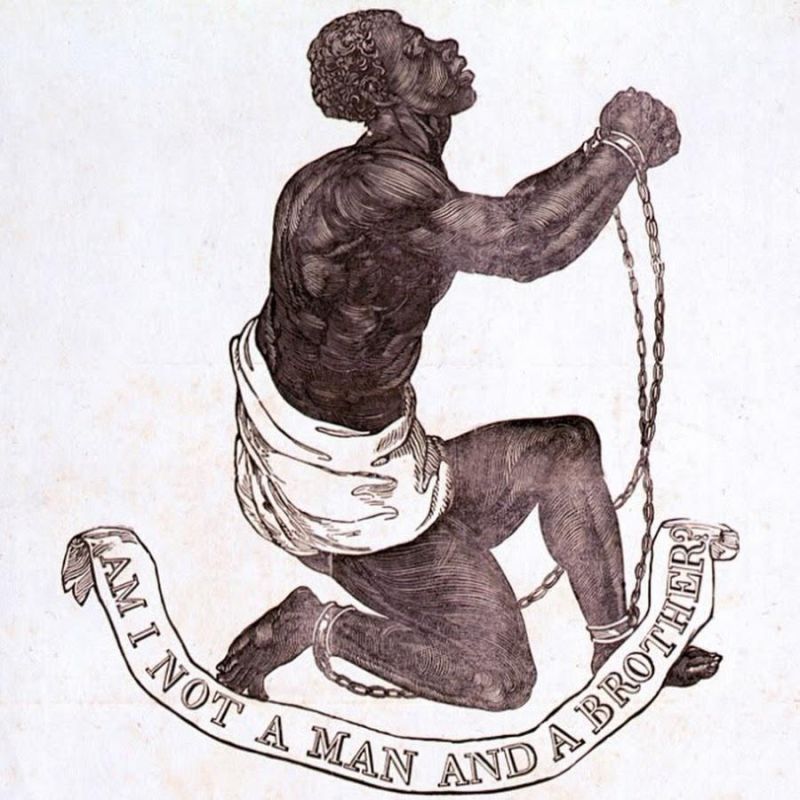
The legacy of slavery in the United States spans over 250 years and fundamentally shaped our nation’s development. From 1619 to 1865, millions of Africans and African Americans were enslaved, their labor building much of the economic foundation of colonial America and the early republic.
Understanding this history means recognizing both the profound injustices endured and the remarkable resilience, resistance, and contributions of enslaved people. Their stories—often untold or minimized—reveal not just suffering, but also strength, ingenuity, and humanity in the face of unimaginable oppression.
The end of slavery didn’t end its impact. The economic, social, and political effects rippled through Reconstruction, Jim Crow, the Civil Rights Movement, and continue to influence American society today.
Some have suggested that too much focus is placed on the national and global history of slavery. This can never be true. Every nation has a historical record that they don’t want to be reminded about but we must remember so that we don’t fall visiting to the false narratives and myths of the past.
As educators and learners, we have a responsibility to teach and learn this history with honesty, nuance, and respect for those who lived it. Only through understanding our complete past can we work toward a more just future.
To make sure resources are staying in the hands of educators, I asked Claude AI to compile a list of online resources available right now.
See the List Here. Link as of Aug 2015
This is one of several articles in my brief history series about the US Civil War and its ever evolving place in American history. What began in 2010 as a blog series about the 150th anniversary has evolved into so much more.

 BFWClassroom
You must be logged in to post a comment.