Category: Diversity in the Classroom
-
Courage, Conscience, and Community: April 2026
The content highlights themes of hope, Arab American heritage, significant historical anniversaries in April, and notable birthdays of influential figures throughout history.
-
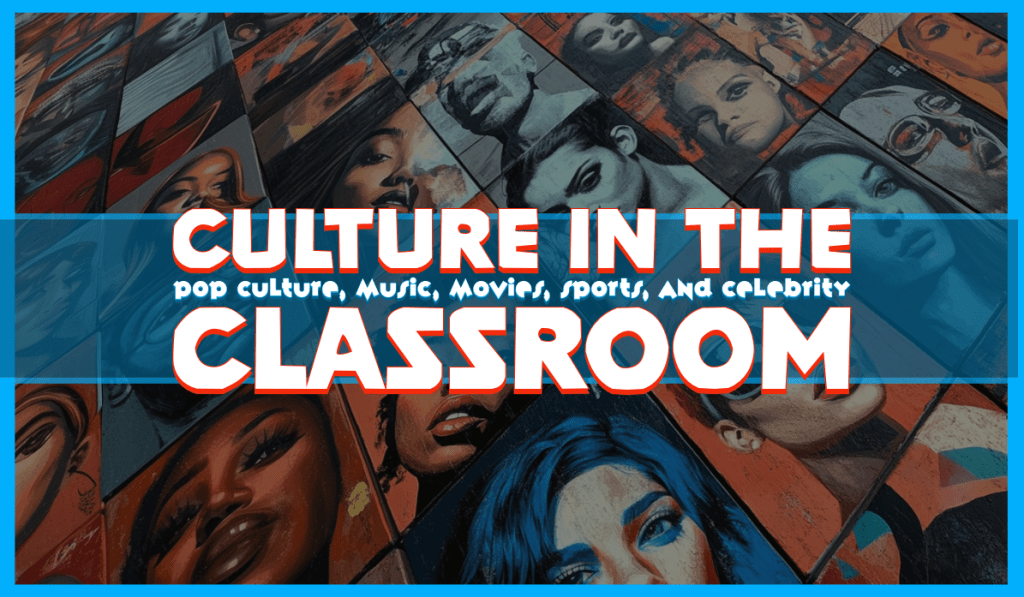
The Museum Is Already in Your Classroom: Free Art Resources Every Teacher Should Know
One of the quiet pleasures of teaching is the moment a student looks at a painting and starts asking questions you didn’t assign. That moment doesn’t happen by accident; it happens because the art is there, on the wall or the screen, doing what great art has always done: demanding a response. The good news…
-

USHMM Aquires Cap Amer No. 1 and 46
Capt America and Bucky are coming to the USHMM to showcase Simon’s and Kirby’s work
-
Roots, Renewal, and Resilience: March 2026
The content honors Women’s History Month, highlighting influential women, significant historical events in March, and notable birthdays, underscoring their impact on society and culture.
-

War, More War, and War Without End
This month marks the 4 year anniversary of the Russia invasion of Ukraine in 2022 and the 16 year anniversary of the Russian annexation of Crimea and the Donbas Region. It made me think of when I read John Hersey’s book Hiroshima in 2009 as part of my Masters graduate studies and I wanted to…
-

What If Jesse Jackson Won the 1988 Election?
Rev. Jesse Jackson, who passed away in 2026, profoundly impacted American politics through his civil rights activism and presidential campaigns, shaping discussions on democracy and race.
 BFWClassroom
You must be logged in to post a comment.