Category: History and Civics
-
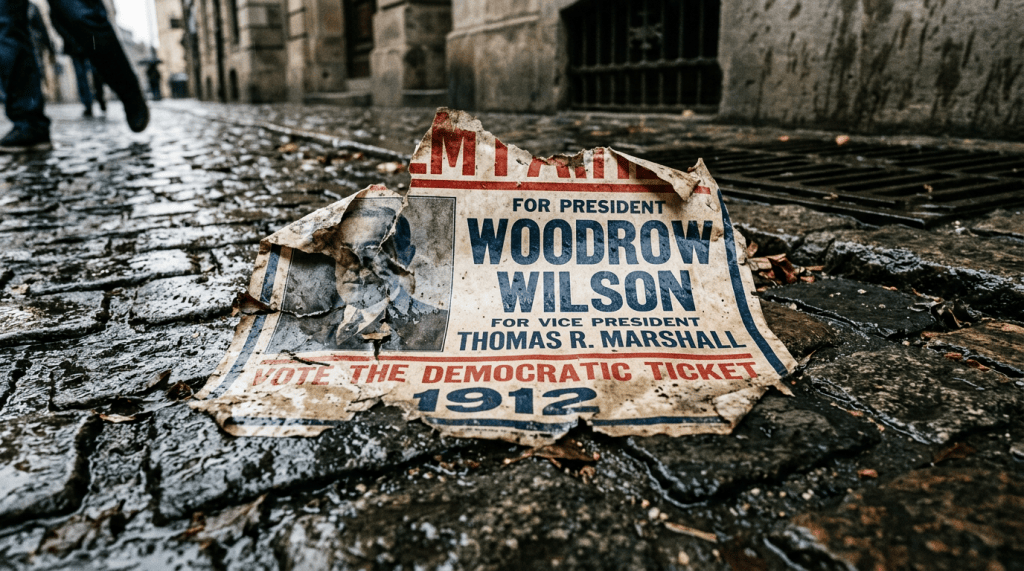
What If Roosevelt Had Been Killed Outright in Milwaukee?
#WhatIf Teddy Roosevelt is killed outright in 1912 Milwaukee, and Taft — Cincinnati-born and Over-the-Rhine adjacent — leverages his father’s German-American networks to fracture the Irish Democratic machines at the moment they are least able to protect their own coalition partners.
-
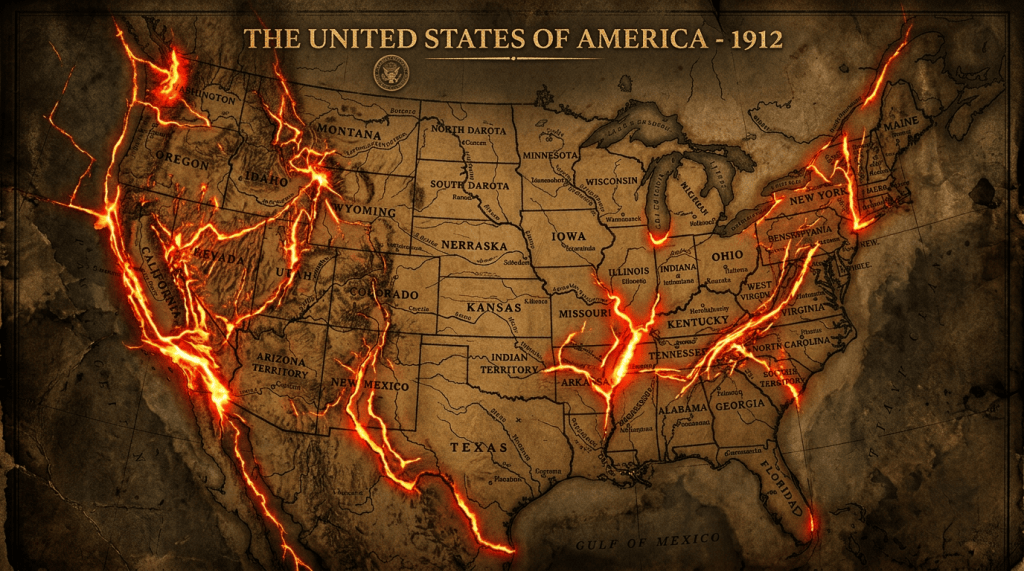
What If Roosevelt’s Milwaukee Wound Had Been Fatal — But Slowly?
Roosevelt wins the 1912 election while mortally wounded, then dies before the inauguration. What follows mirrors the 1876 Tilden-Hayes crisis — a constitutional fight over whether the Electoral College can legally seat Hiram Johnson as president. #WhatIf
-

What If the United States Had Sent Troops to Cuba — With Longstreet in Command?
Cuban independence, the Ten Years’ War, and the consequences of one general’s absence from New Orleans Historical Grounding In October 1868, a sugar planter named Carlos Manuel de Céspedes walked to the slave quarters of his estate in eastern Cuba, called his enslaved workers together, and told them they were free. Then he rang the…
-
What If Longstreet Had Been Delayed — and the Battle of Liberty Place Became a Massacre?
In September 1874, the White League’s coup in New Orleans threatened Reconstruction, highlighting Rodolphe Desdunes’ pivotal role in civil rights, especially in the historic Plessy v. Ferguson case.
-
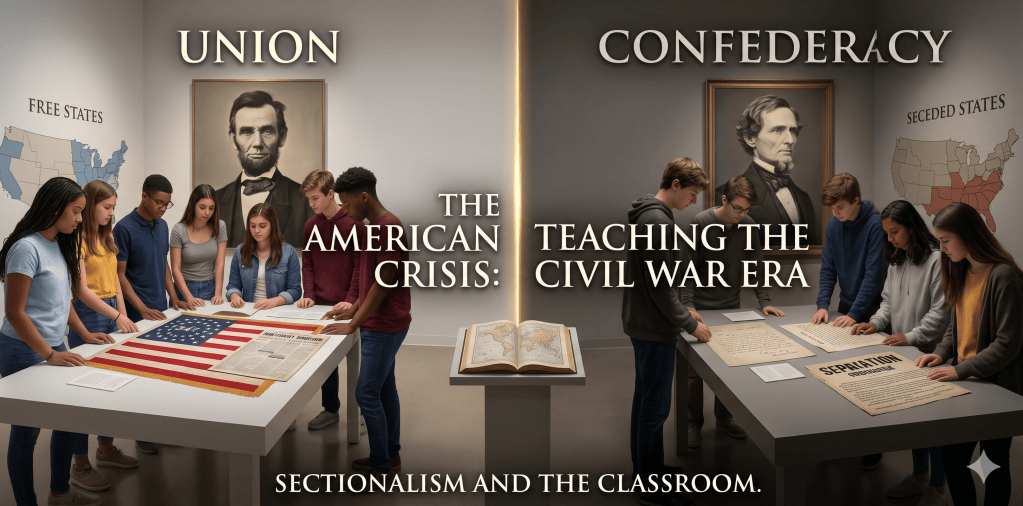
Introducing The American Crisis: Teaching the Civil War Era
A five-part series on the Civil War era built for educators — thematic, primary-source-driven, and focused on the questions that connect 1861 to the present. Start here.
-
What If: The Red Summer That Lasted
The post-World War I labor unrest in America, if effectively coordinated, could have led to a revolutionary movement, fundamentally changing society and politics.

