
This is part of my Readings In History series. Where I try to collect resources from historical events and pop culture to talk about and discuss in my classes. To see more of these entries click here.
Introduction:
The 19th century marked a period of intense transformation in Egypt, as the ruling dynasty grappled with financial instability and European encroachments. Egypt, located at the crossroads of continents and cultures, held strategic importance for European powers. This blog post delves into the intricate history of Egypt during this era, exploring its economic turmoil, nationalist revolts, and the eventual impact of British and French influence.
The Economic Quagmire:
Throughout the 19th century, Egypt’s ruling dynasty undertook ambitious infrastructural projects, backed by substantial borrowing, to develop the nation. However, these endeavors were largely directed towards military goals, leading to economic instability. Despite significant European capital infusion, Egypt struggled to generate sufficient revenue to service its debts.
The Suez Canal: Gateway to the East: In the midst of Egypt’s financial challenges, the construction of the Suez Canal played a pivotal role. French investors financed this groundbreaking project, which aimed to connect the Mediterranean and Red Seas, revolutionizing global trade. The canal’s completion in 1869 positioned Egypt as a crucial gateway to the Orient, solidifying its strategic importance to European powers.
European Intervention and Ottoman Decline: As Egypt teetered toward economic dissolution, a European commission led by Britain and France assumed control of Egypt’s treasury. In exchange for debt relief, they gained control of the Suez Canal, marking a turning point in Egypt’s history. Simultaneously, the Ottoman Empire’s influence in Egypt began to wane, allowing European powers to exert greater control over the region.
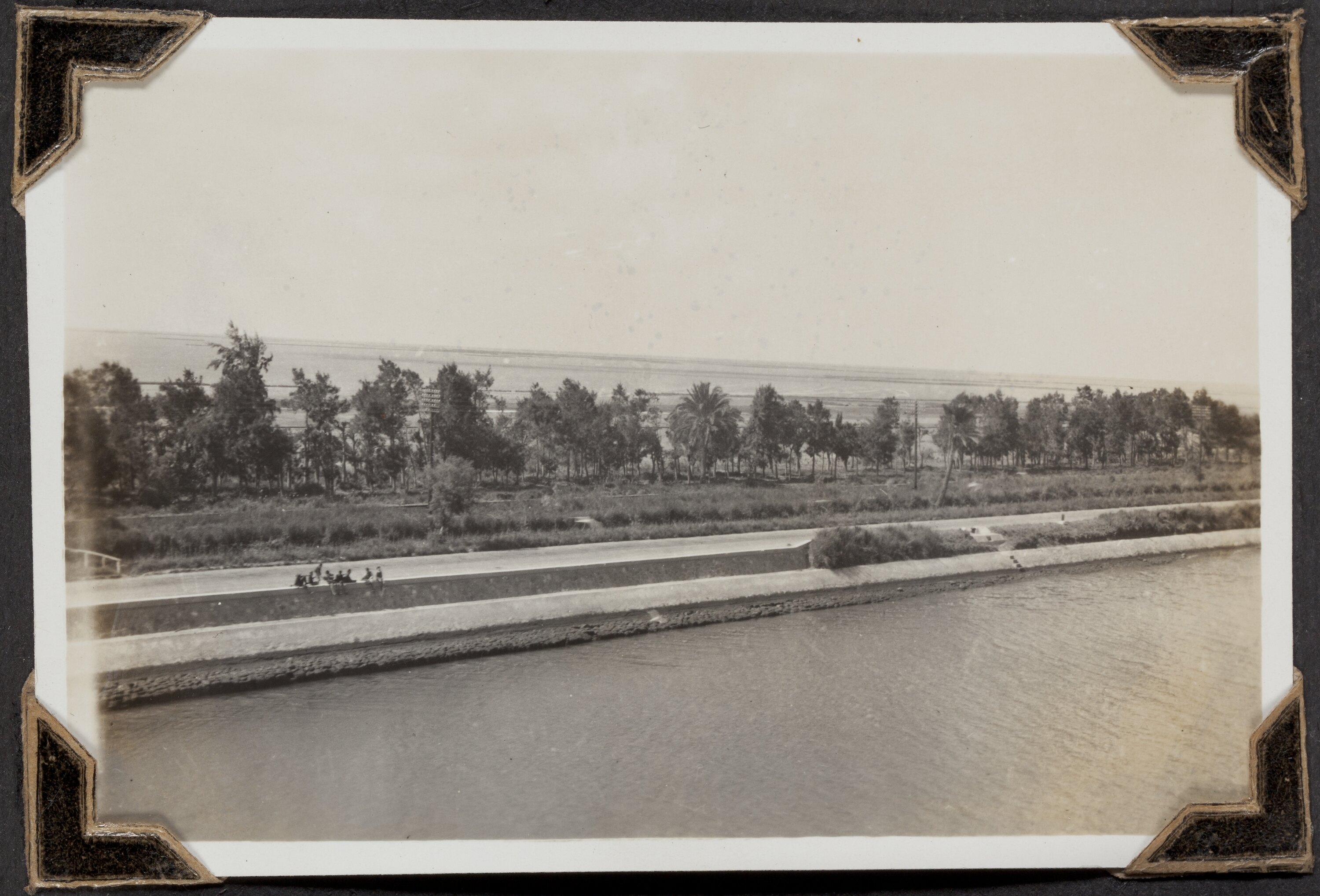
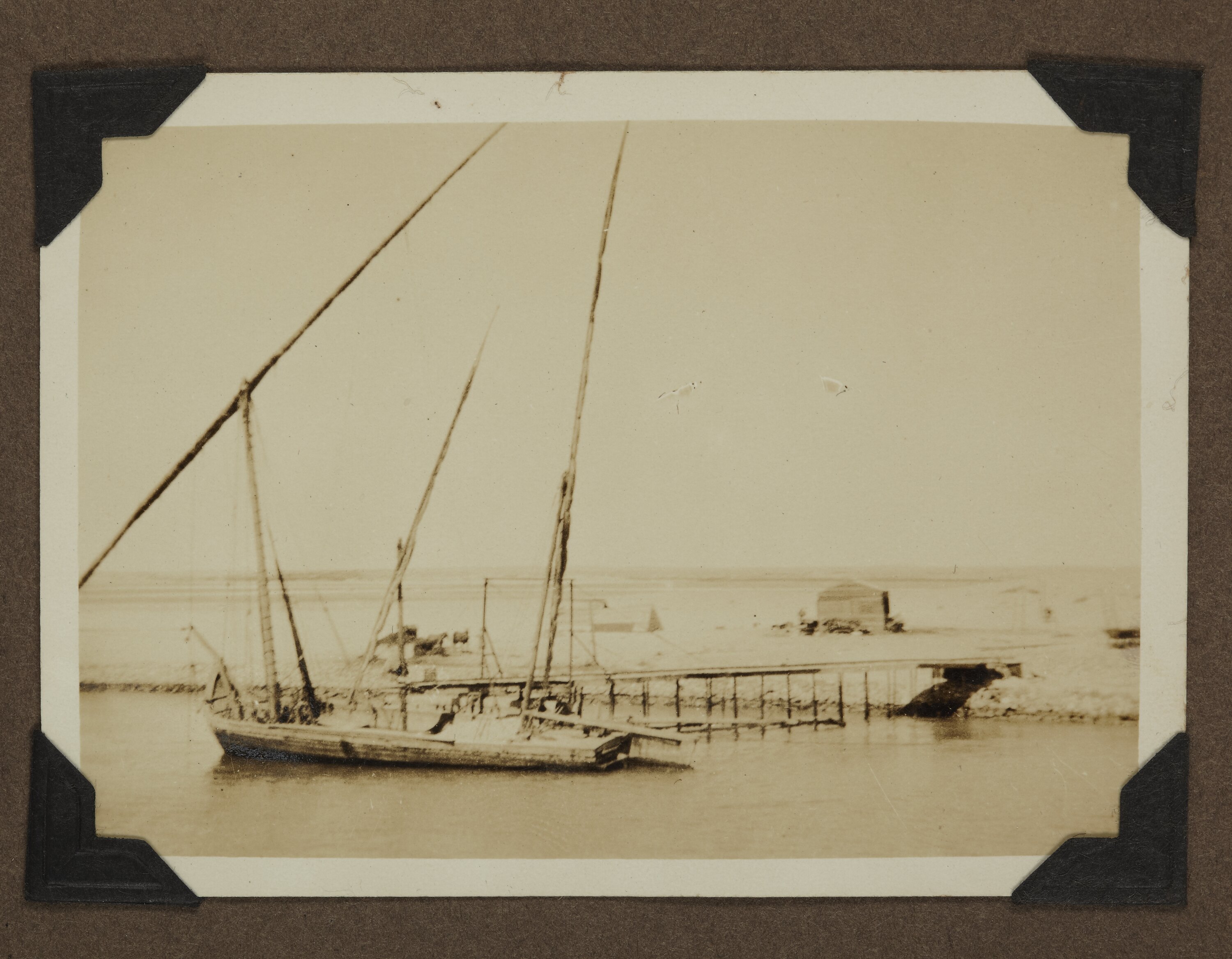
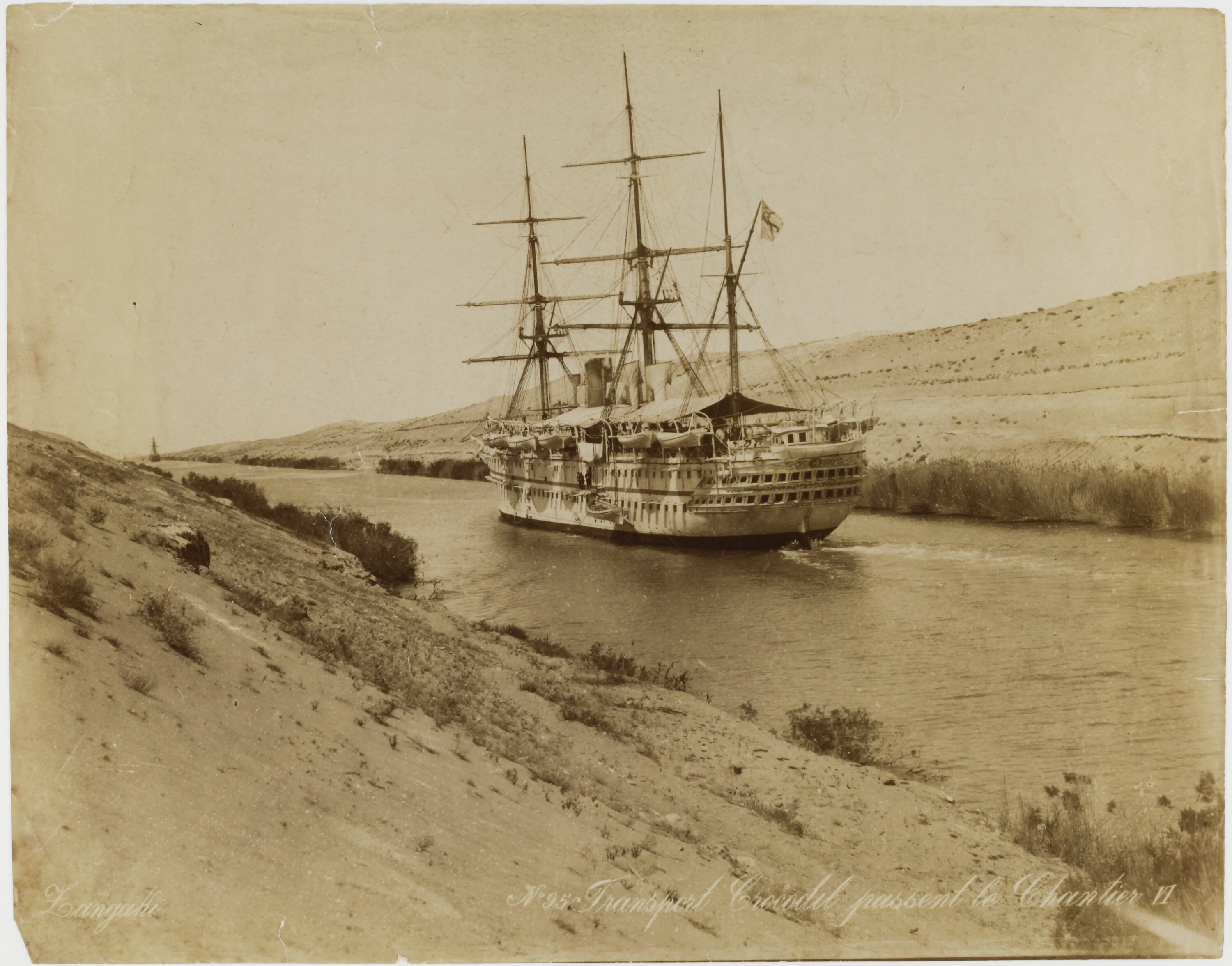
Image Captions:
- Photograph – Canal, Motor Road, Railway & Desert, Palmer Family Migrant Voyage, Suez Canal, Egypt, circa 06-07 Mar 1947
- Photograph – Pier & Boat, Suez Canal, Egypt, 1928 by Creator: Archibald Gordon (Mac) Maclaurin is licensed under CC-PDM 1.0
- Photograph – HMS Crocodile, Suez Canal, Egypt, circa 1886 by Photographer: Zangaki is licensed under CC-PDM 1.0
Nationalist Resistance:
The Urabi Revolt began on September 9, 1881, and marked a turning point, forcing the Khedive Tewfik to rule by decree and sparking fears of invasion. By 1882, Egyptian opposition to European influence, fueled by Islamic and Arabic nationalism, had gained momentum. The Egyptian army, feeling threatened by the redirection of economic development, joined the resistance.
European Intervention Escalates:
In response to growing turmoil, France and Great Britain dispatched warships to Alexandria in April 1882 to protect their interests and support the Khedive. Fear of outside intervention and a potential Islamic revolution in the Empire of India prompted the British-led Anglo-Indian expeditionary force to secure the Suez Canal. Simultaneously, French forces landed in Alexandria. The combined Anglo-French-Indian army decisively defeated the Egyptian forces at Tel El Kebir in September, reinstating the Khedive’s authority.
Britain’s Long-Term Objective:
The invasion aimed to restore political stability and streamline Egyptian financing, but it also reflected Britain’s long-term objectives. Lord Cromer, Britain’s Chief Representative in Egypt, believed that financial stability was essential for political stability. He initiated long-term investments in Egypt’s agriculture, particularly cotton production, by improving irrigation through projects like the Aswan Dam and Nile Barrage.
The Denshawai Incident and British Rule:
In 1906, the Denshawai Incident exposed dissatisfaction with British rule in Egypt, providing an opportunity for anti-British revolutionary movements. The British sought to neutralize radical opponents and promote pro-British nationalist groups. After World War I, British authorities aimed to legitimize less radical factions and, in 1922, declared Egyptian independence while maintaining military control until 1936.
Egypt’s Transformation:
During British occupation and control, Egypt underwent significant changes, evolving into a regional commercial and trading hub. The influx of entrepreneurs, including Greeks, Jews, and Armenians, boosted Egypt’s multicultural fabric and helped shape its modern identity.
Conclusion:
Egypt’s journey from economic turmoil and European intervention to eventual independence in 1922 reflects the complex interplay of political, economic, and social forces that defined the 19th-century history of this strategically vital nation. This period laid the groundwork for Egypt’s emergence as an independent and dynamic player on the global stage.
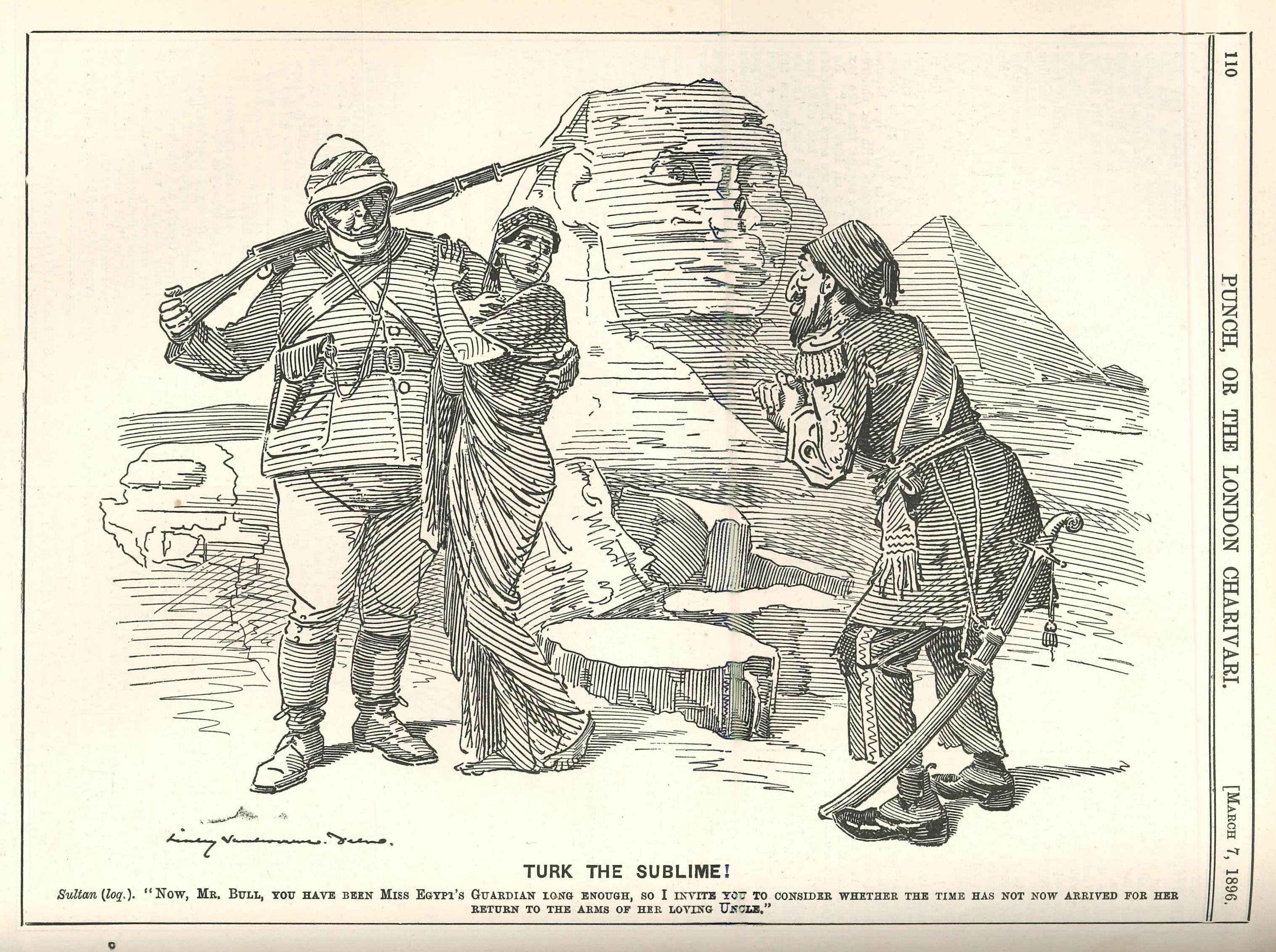
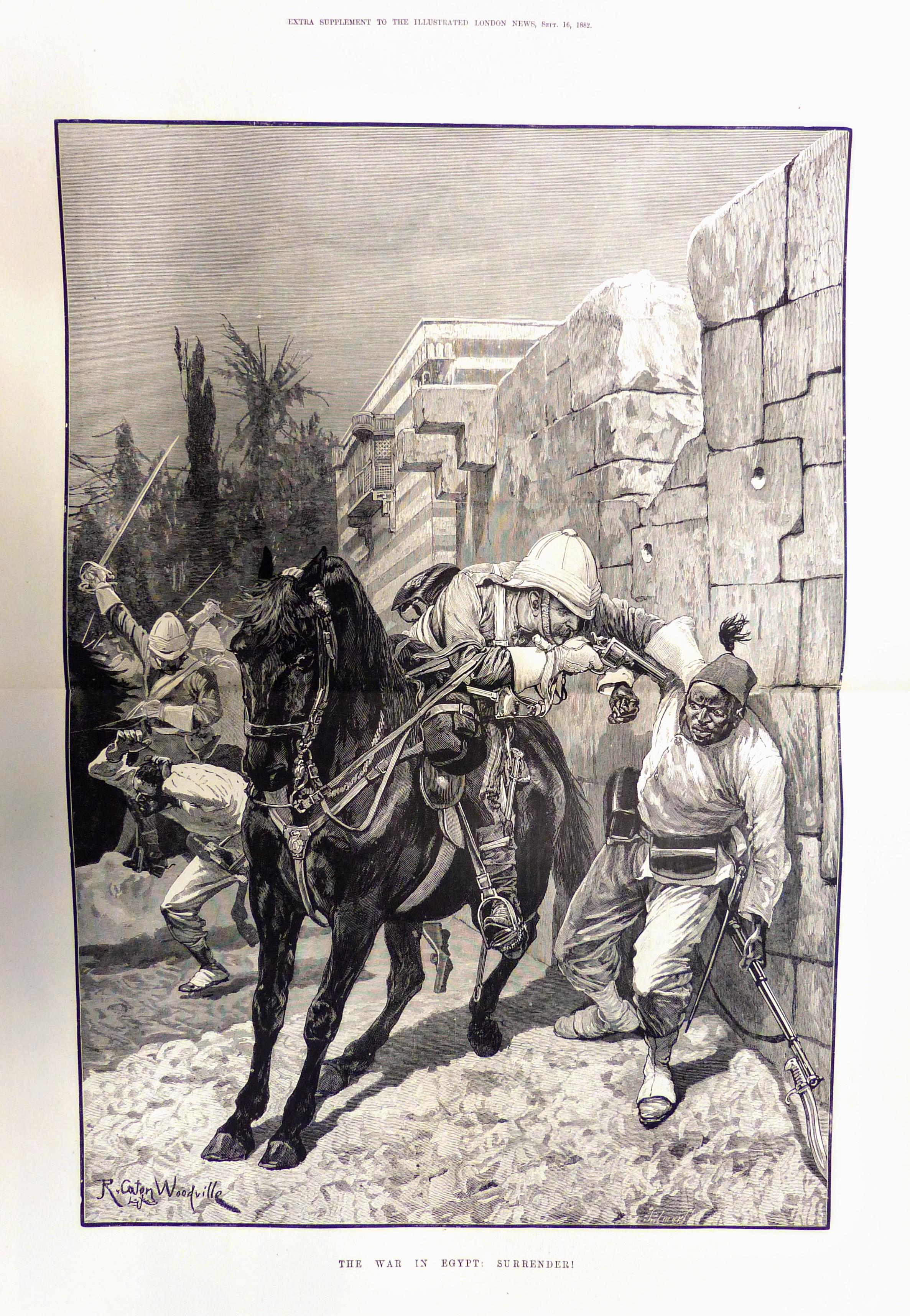
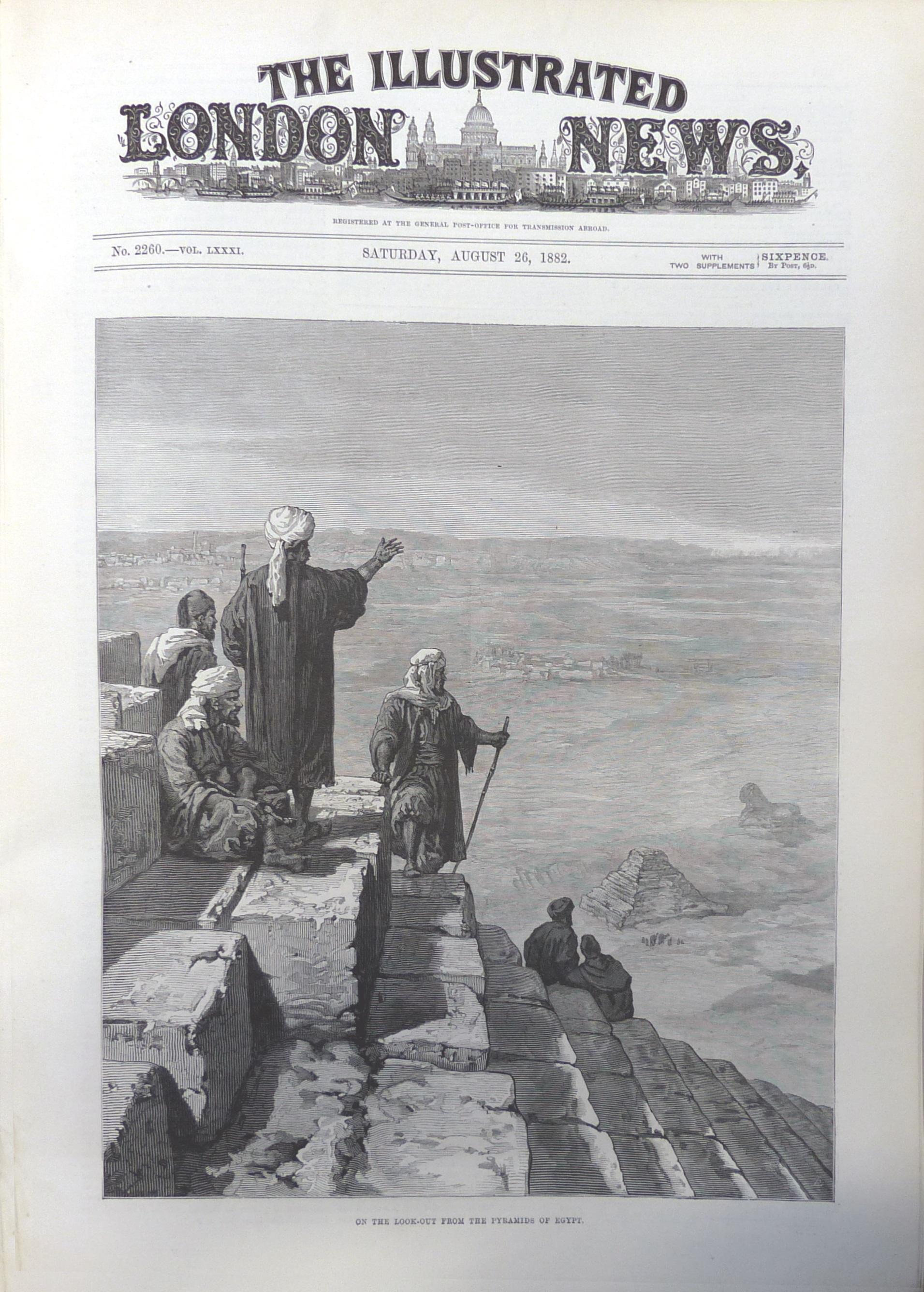
Image Captions:
- Political Cartoon – John Bull Protecting Egypt: Illustrating the gendered and colonialist trope of Britain as the masculine savior and Egypt as the feminine object of Orientalist fantasy.
- The Anglo-Egyptian War: Sketches from The Illustrated London News documenting the conflict and British victory at Tell el Kebir.
- On the Look-Out from the Pyramids: An example of the anthropological interest in Egyptian locals during the British occupation.
This historical narrative was created using resources from the following
- Wikipedia contributors. “Anglo-Egyptian War.” Wikipedia, The Free Encyclopedia. Wikipedia, The Free Encyclopedia, 26 Oct. 2023. Web. 2 Nov. 2023.
- Ward, Mary. “Britain in Egypt | Whipple Library.” Whipple Library, https://www.whipplelib.hps.cam.ac.uk/special/exhibitions-and-displays/conflicting-chronologies/britain-egypt. Web 2 Nov. 2023.


You must be logged in to post a comment.