Category: US History
-
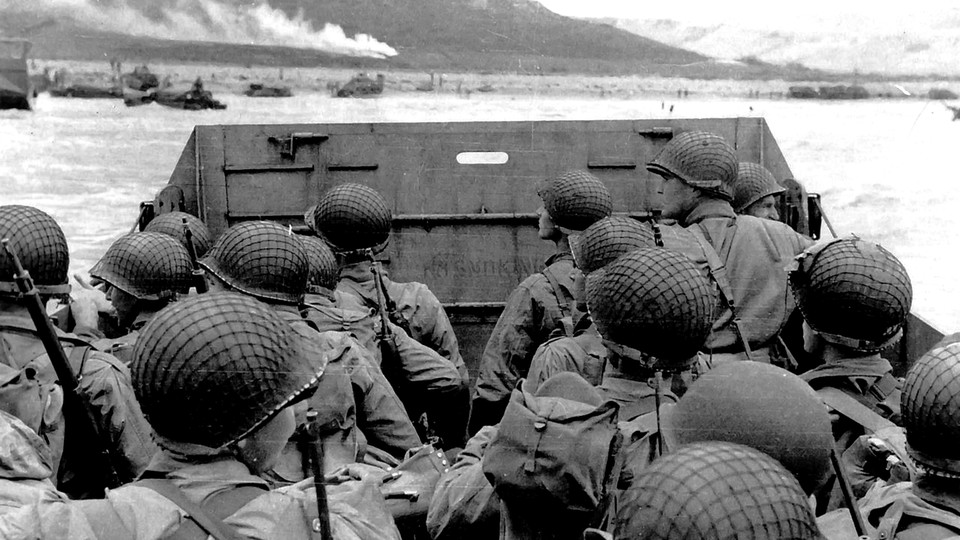
D-Day 80 Years Later
Remembering D-Day: Its Impact on World War II and the Politics of the Allied Powers June 6, 1944, is a date etched in history as D-Day, the day when Allied forces launched the largest amphibious invasion ever seen. Over 156,000 troops from the United States, the United Kingdom, Canada, and other Allied nations stormed the…
-

ReBlog CW150: Memorial Day
This is one of several articles in my brief history series about the US Civil War and its 150 anniversary. Originally published Memorial Day 2018. Updated May 2023. In 1970, Memorial Day became a federal holiday on the last Monday in May and now most people are not even sure what the holiday is about…
-

Civil War at 160: US Grant
Ulysses S. Grant’s strategic brilliance secured Union victory in the Civil War and laid the foundation for reconstruction and reconciliation, shaping post-Civil War America.
-

World Malaria Day April 25
World Malaria Day is an opportunity for educators to make a real difference in the fight against this deadly disease. By raising awareness and empowering students to take action, we can build a future free from malaria.
-

CIC: 85 Years of Human Torch
The Human Torch, a Marvel Comics icon since 1939, has evolved through various incarnations, cementing his place as a symbol of passion and resilience.
-
CW160: Grant Takes Command
Ulysses S. Grant: The Architect of Victory In the crucible of the Civil War, amidst the chaos and carnage of battle, emerged a leader whose strategic brilliance and unwavering resolve would change the course of history. That leader was Ulysses S. Grant, whose military leadership from 1864 to 1877 not only secured the Union’s triumph…
 BFWClassroom