Remembering D-Day: Its Impact on World War II and the Politics of the Allied Powers
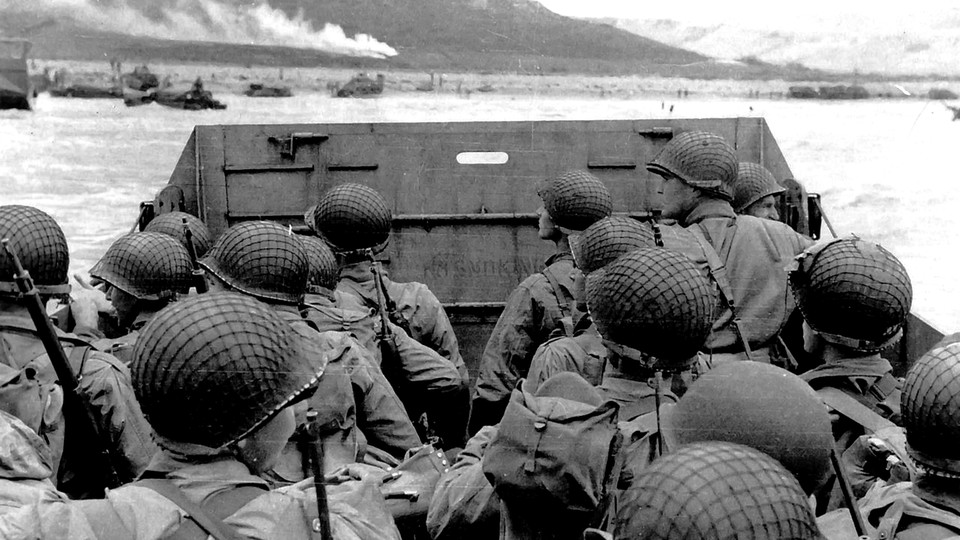
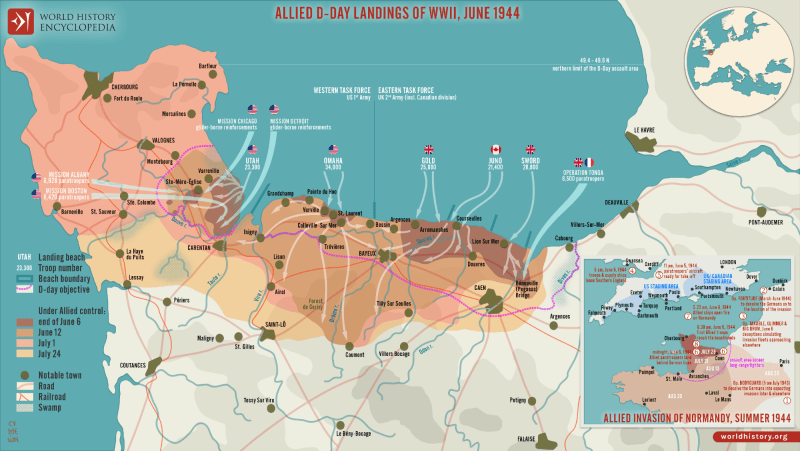
June 6, 1944, is a date etched in history as D-Day, the day when Allied forces launched the largest amphibious invasion ever seen. Over 156,000 troops from the United States, the United Kingdom, Canada, and other Allied nations stormed the beaches of Normandy, France. This pivotal operation, known as Operation Overlord, was crucial in turning the tide of World War II and had significant political ramifications for the Allied powers in the war’s final 18 months
The Importance of D-Day
Strategic Victory: D-Day was critical in establishing a western front against Nazi Germany. Prior to this, much of the fighting was concentrated on the Eastern Front, where Soviet forces were bearing the brunt of the conflict. By opening a new front in Western Europe, the Allies relieved pressure on Soviet forces and initiated a two-front war that stretched German resources thin.
Boosting Morale: The successful landings and subsequent battles in Normandy provided a significant morale boost to Allied forces and the occupied populations of Europe. It demonstrated that the Allies could successfully challenge German dominance in Western Europe and reclaim territory.
Accelerating the End of the War: The establishment of a western front accelerated the liberation of Nazi-occupied Europe. Following D-Day, Allied forces rapidly advanced through France, leading to the liberation of Paris by the end of August 1944 and eventually reaching the borders of Germany.
Political Ramifications for the Allied Powers
Strengthening Alliances: D-Day showcased the strength and unity of the Allied powers. The coordination required for such a massive operation strengthened the bonds between the United States, the United Kingdom, and other Allied nations. This cooperation was essential for subsequent military campaigns and post-war planning.
Shaping Post-War Europe: The success of D-Day and subsequent Allied advances ensured that Western Europe would largely be liberated by Western Allied forces rather than the Soviet Union. This had profound implications for the political landscape of post-war Europe, laying the groundwork for the division between Western democracies and Eastern communist states.
Establishing Leadership: The D-Day landings and the overall success of the Normandy campaign solidified the leadership roles of key figures such as General Dwight D. Eisenhower, who would later become the President of the United States. It also reinforced the leadership positions of Winston Churchill and Franklin D. Roosevelt, who were pivotal in guiding the Allied strategy.
Suggested Readings for High School Students and Teachers
For those interested in diving deeper into the history and significance of D-Day, the following readings are highly recommended:
Books:
– D-Day: June 6, 1944: The Climactic Battle of World War II by Stephen E. Ambrose: A comprehensive and detailed account of the events leading up to and following D-Day.
– The Longest Day by Cornelius Ryan: A gripping narrative that covers the planning and execution of the D-Day invasion.
– Six Armies in Normandy: From D-Day to the Liberation of Paris, June 6-August 25, 1944 by John Keegan: An insightful analysis of the different Allied armies involved in the Normandy campaign.
Articles:
– D-Day: The Invasion of Normandy on the History Channel website provides an accessible overview of the events and significance of D-Day.
– The Impact of D-Day on the Second World War available on BBC History offers a concise summary of how D-Day influenced the broader context of World War II.
Conclusion
Remembering D-Day is not just about honoring the bravery of those who fought but also understanding its profound impact on the course of World War II and the political dynamics of the time. The unity and determination demonstrated by the Allied powers during D-Day set the stage for the eventual defeat of Nazi Germany and shaped the post-war world order. By studying this pivotal event, high school students and teachers can gain valuable insights into the complexities of war, international cooperation, and the enduring quest for peace.
Let us continue to honor and learn from the sacrifices made on D-Day, ensuring that the lessons of history guide our future actions and decisions.
Header Photograph of American troops approaching Omaha Beach, Normandy, on D-Day (Universal History Archive / UIG via Getty)


You must be logged in to post a comment.