
This is one of several articles in my brief history series about the US Civil War and its ever evolving place in American history. What began in 2010 as a blog series about the 150th anniversary has evolved into so much more.
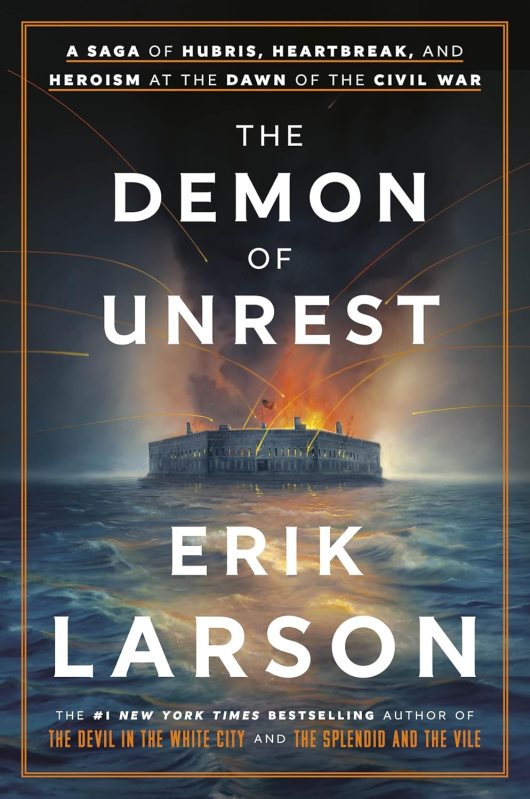
In this masterful new history of the Civil War’s opening act, the author crafts an intimate portrait of the personalities and powers that pushed America toward its greatest crisis. At the center of this narrative stands Edmund Ruffin, the Virginia planter-turned-radical whose transformation from agricultural reformer to secessionist flame-thrower embodies the South’s tragic journey toward war.
The Cotton Aristocracy’s Fatal Pride
The book’s most compelling achievement lies in its nuanced portrayal of South Carolina’s cotton aristocracy. These wealthy planters, ensconced in their Charleston mansions and upcountry plantations, emerge as tragic figures of Shakespearean proportion. Their fatal flaw – a pride that blinded them to both the humanity of their enslaved workers and the industrial might of their Northern antagonists – drives the narrative forward with inexorable momentum.
Through meticulous research and vivid prose, the author reconstructs the hothouse atmosphere of Charleston’s drawing rooms and political clubs, where the rhetoric of secession transformed from fringe fantasy to mainstream doctrine. The portrait of Robert Barnwell Rhett, the so-called “Father of Secession,” is particularly striking. His newspaper, the Charleston Mercury, served as an echo chamber for increasingly radical positions, demonstrating how media could inflame rather than inform – a lesson that resonates powerfully today.
Edmund Ruffin: A Study in Radicalization
The author’s treatment of Edmund Ruffin stands as the book’s centerpiece. We follow Ruffin’s evolution from respected agricultural innovator to zealous advocate for disunion, watching as his legitimate expertise in soil chemistry gradually gives way to increasingly extreme political positions. The author skillfully shows how Ruffin’s personal grievances – including his frustration with Virginia’s initial reluctance to secede – became entangled with larger political movements, creating a dangerous catalyst for conflict.
Particularly revealing is the author’s analysis of Ruffin’s extensive correspondence and diaries, which expose the psychological journey of a man convinced he was preserving civilization while helping to tear it apart. His presence at Fort Sumter, where he reportedly fired one of the first shots of the war, serves as a powerful symbol of how intellectual arguments can evolve into physical violence.
Buchanan’s Paralysis
The book’s treatment of the Buchanan administration’s response to the secession crisis is devastating. Through careful analysis of cabinet meetings and presidential correspondence, the author reveals how Buchanan’s combination of constitutional rigidity and political timidity created a leadership vacuum at the precise moment when decisive action might have prevented catastrophe. The president’s refusal to reinforce Fort Sumter during the critical months between South Carolina’s secession and Lincoln’s inauguration emerges as a crucial missed opportunity.
The Heroes of Fort Sumter
Against this backdrop of political failure and sectional hubris, the book finds its heroes in the small garrison of Fort Sumter. Major Robert Anderson and his men become the moral center of the narrative, their steadfast devotion to duty standing in stark contrast to the political machinations swirling around them. The author’s detailed reconstruction of life inside the fort during the months leading up to the bombardment is masterful, drawing on soldiers’ letters and official reports to create a vivid portrait of men trying to maintain their honor and duty while the nation crumbled around them.
Relevance for Today
The book’s greatest strength lies in its ability to make the events of 1860-61 feel urgently relevant to contemporary readers without drawing heavy-handed parallels. The author shows how intelligent, educated people can talk themselves into catastrophic decisions when caught in ideological echo chambers. The portrait of Charleston society’s conviction in its own righteousness, even as it marched toward disaster, offers sobering insights for our own polarized age.
Conclusion
“The Demon of Unrest” succeeds brilliantly in making the familiar story of Fort Sumter and the beginning of the Civil War feel fresh and immediate. By focusing on the human dimensions of the crisis – the pride, fear, and conviction that drove men like Ruffin and the Charleston elite toward war – the author helps us understand how political differences can transform into existential conflicts. The book serves as both first-rate history and a warning about how quickly the bonds of union can unravel when ideology trumps compromise and rhetoric escalates toward violence.
For those seeking to understand both the specific events that precipitated the Civil War and the broader human dynamics that can turn political disagreements into armed conflicts, this book offers essential reading. Its careful research, vivid characterizations, and thoughtful analysis provide insights that resonate well beyond its historical setting.
Everything reviewed here I have personally read, screened, or listened to, and many of these resources have been part of my classroom for years. This site exists because teachers deserve practical recommendations from someone who has been in the room. That said, every school community is different; please consult your district guidelines before using any book, film, or podcast with students.
To read more of my reviews follow the link.


You must be logged in to post a comment.